
Lost in Translation: The Secret Lives of Borrowed Words in English
How English Became a Linguistic Magpie—And Why That Makes It So Powerful

How English Became a Linguistic Magpie—And Why That Makes It So Powerful
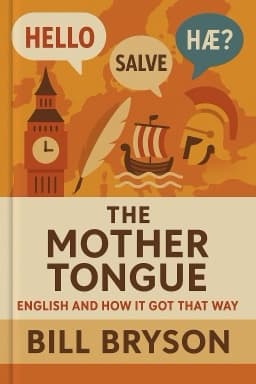
English is not just a language—it’s a living museum of global history. Every time you order 'ketchup,' enjoy a 'ballet,' or use a 'slogan,' you’re speaking words that traveled across continents and centuries. Bill Bryson’s 'The Mother Tongue' reveals how English has always been greedy for new words, borrowing from Hindi, French, Chinese, Gaelic, and more. Unlike many languages that guard their purity, English welcomes outsiders, making it incredibly rich and adaptable.
Consider the word 'shampoo,' from Hindi, or 'yacht,' from Dutch. Some borrowed words, like 'nom de plume,' have disappeared from their original languages but live on in English. This openness has helped English become the language of science, business, and the internet. As Bryson shows, every borrowed word tells a story of migration, trade, and human curiosity.
But borrowing isn’t always smooth. Sometimes, English mangles foreign words beyond recognition, or combines them in new ways. The result is a language that is constantly evolving, always ready to describe new inventions, ideas, and experiences. This flexibility is why English dominates global communication today.
So next time you use a borrowed word, remember: you’re part of a global conversation that stretches back thousands of years. English’s magpie nature is its greatest asset, making it a language that belongs to everyone. Want to explore more about English’s borrowed treasures? Dive into Bryson’s book and join the conversation at Goodreads and linguistics forums. 2 4
Want to explore more insights from this book?
Read the full book summary