
The Dangerous Illusion of a ‘Christian Nation’: What History and Scripture Really Say
Why the Cross and the Flag Don’t Belong Together

Why the Cross and the Flag Don’t Belong Together
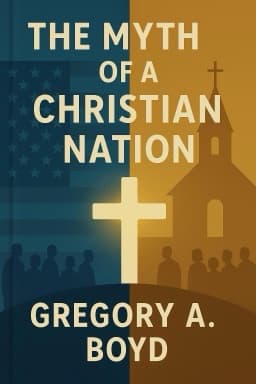
The idea that America is a 'Christian nation' is deeply woven into the fabric of public life—from political speeches to church sanctuaries adorned with flags. But Gregory Boyd’s The Myth of a Christian Nation and a host of historians argue that this belief is more folklore than fact. The founders were a mix of orthodox Christians, deists, and skeptics, and the Constitution itself is a secular document. The language of 'one nation under God' emerged not from biblical teaching but from Cold War anxieties and political expediency.
Boyd warns that civil religion—a blending of patriotism and faith—creates a dangerous confusion. When the cross and the flag are treated as equal symbols, the church risks losing its unique calling. This myth encourages believers to see political victories as spiritual ones, to judge outsiders harshly, and to justify violence in the name of God. In reality, the kingdom of God is not tied to any nation, party, or ideology.
Scripture paints a different picture. Jesus refused to be co-opted by political movements, insisting that his kingdom was 'not of this world.' The early church thrived as a persecuted minority, not by wielding power but by loving radically and serving sacrificially. Boyd’s book urges believers to reclaim this vision, to be citizens of heaven first, and to let go of the myth that God’s purposes depend on any government.
Unmasking the myth is liberating. It frees Christians to love neighbors regardless of their politics, to serve without demanding cultural dominance, and to bear witness to a kingdom that transcends all borders. The cross, not the flag, is the true symbol of the church—a reminder that our highest allegiance is to Christ and his way of self-giving love.
By letting go of the illusion of a Christian nation, the church can rediscover its prophetic voice and become a force for reconciliation in a divided world.
Sources:
1
2
3
Want to explore more insights from this book?
Read the full book summary