
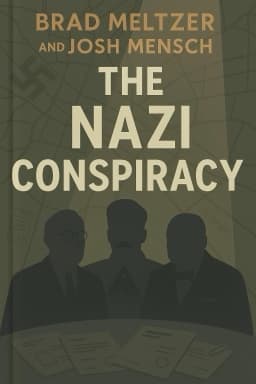
Lessons from the Shadows: What WWII Espionage Teaches Us About Today’s World
Why the Secrets of the Past Are More Relevant Than Ever in the Digital Age

History does not repeat, but it rhymes. The clandestine struggles of World War II—of spies, codebreakers, and secret alliances—cast long shadows over our present. The dilemmas faced by wartime intelligence are not relics; they are living challenges, reframed by technology but unchanged in essence. As we navigate a world of cyber threats, misinformation, and shifting alliances, the lessons of the past offer both warning and wisdom.
Trust remains the currency of alliances. Then as now, partnerships are tested by suspicion, ambition, and the ever-present risk of betrayal. The fragility of unity—whether among nations or within organizations—demands constant vigilance and open communication. The story of Tehran and Operation Long Jump is a case study in how shared purpose and transparency can overcome even the most insidious threats.
Technology has changed the tools, but not the stakes. Cyber operations, surveillance, and digital misinformation echo the radio intercepts and coded messages of seventy years ago. The ethical questions—how much privacy to sacrifice for security, how to balance transparency with secrecy—are as urgent now as they were in the war rooms of 1943.
Above all, the human element endures. The courage of ordinary people, the resilience of communities, and the relentless pursuit of truth are the foundations of security and peace. As we look to the future, let us remember that the shadows of history are not to be feared, but to be understood. In their depths, we find the light of wisdom, and the hope for a better world.
Want to explore more insights from this book?
Read the full book summary