
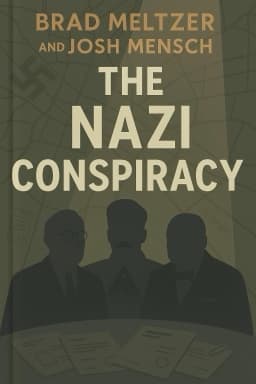
The Secret War That Almost Changed History: Inside the Tehran Conference and Operation Long Jump
How a Nazi Plot to Assassinate the Allied Leaders Was Thwarted by Teenage Spies and Daring Intelligence

In the winter of 1943, the world’s fate hung by a thread. While the streets of Tehran bustled with diplomats and soldiers, a far more perilous drama unfolded in the shadows. The Tehran Conference was the first time Roosevelt, Churchill, and Stalin met face-to-face, plotting the defeat of Nazi Germany. But as they debated grand strategies, an invisible war raged outside—one that would determine whether the Allied cause would survive or be extinguished in a single, catastrophic blow.
At the heart of this secret war was Operation Long Jump, a Nazi plan so audacious it bordered on fantasy. The goal: parachute elite SS agents into Tehran, infiltrate the Soviet security cordon, and assassinate all three Allied leaders at once. The plan’s success would have decapitated the Allied leadership, potentially altering the course of the war. But the Nazis underestimated the vigilance and cunning of their adversaries.
Enter Gevork Vartanian and his team of teenage Soviet spies. Riding bicycles through the city, they tracked suspicious radio transmissions and shadowy figures. Their youth made them invisible to Nazi agents, allowing them to intercept messages and warn Soviet and Allied security. It was their vigilance that first uncovered the plot, setting off a dramatic hunt through the city’s labyrinthine streets.
Meanwhile, Allied intelligence coordinated with their Soviet counterparts in an unprecedented display of cooperation. Secret Service agents devised elaborate decoys, including a body double for President Roosevelt, to mislead potential assassins. British and American codebreakers intercepted German communications, piecing together the threads of the conspiracy. In a series of night raids and covert operations, the Nazi agents were captured or forced to flee, their plot foiled by the very people they had underestimated.
This story is more than a tale of intrigue; it is a testament to the power of trust, ingenuity, and the courage of the unsung. The teenage spies of Tehran, the tireless codebreakers, and the undercover agents remind us that history is shaped as much by those in the shadows as by those in the spotlight. Their legacy endures, echoing in the intelligence agencies and security protocols that define our world today.
Today, the lessons of Tehran and Operation Long Jump remain profoundly relevant. In an age of digital espionage and global uncertainty, the need for vigilance, cooperation, and ethical leadership is as urgent as ever. The secret war that almost changed history serves as both a warning and an inspiration—a reminder that even in the darkest moments, hope can ride on the smallest wheels and the quietest acts of courage.
Want to explore more insights from this book?
Read the full book summary