
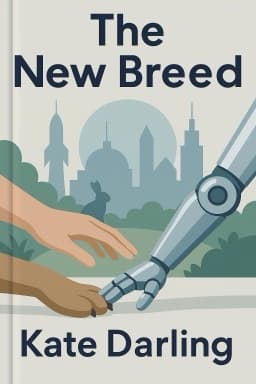
Can Robots Have Rights? What Animal Law Teaches Us About the Future of AI
Exploring the Surprising Legal Parallels Between Animals and Robots

As robots grow more autonomous, society faces urgent questions about responsibility and rights. Surprisingly, history offers guidance through centuries-old legal practices concerning animals—autonomous beings without moral reasoning, much like robots.
In medieval Europe, animals such as pigs and bees were sometimes put on trial for damages, reflecting early attempts to assign accountability. Ancient laws, like those concerning goring oxen, established owner liability only when the owner knew of the animal's dangerous tendencies. Roman concepts like noxal surrender allowed owners to hand over harmful animals as compensation, showing creative legal solutions to autonomous harm.
Fast forward to today, robot-caused accidents challenge traditional liability frameworks. Who is responsible when a robot learns and acts independently? Should robots have legal personhood? These questions mirror debates about animal rights, which evolved from denying animals any rights to recognizing their sentience and welfare.
Robots complicate these discussions due to their artificial nature and lack of consciousness. Yet, their increasing integration demands that law and ethics evolve. Balancing innovation with accountability, society must craft frameworks that protect humans, respect emerging robotic agency, and foster trust.
Understanding the historical context of animal law enriches the conversation about robot rights, reminding us that how we treat nonhumans reveals much about our values and humanity.
As we continue, we explore the emotional and ethical dimensions of interacting with robots, including the implications of violence and empathy.
Sources: Based on scholarly analyses of animal law history, robot liability cases, and ethical debates in robotics 1 , 2 , 3 .
Want to explore more insights from this book?
Read the full book summary