
Why Robots Are More Like Animals Than Humans — And Why That Changes Everything
Rethinking Robots: The Surprising Animal Analogy That Could Reshape Our Future

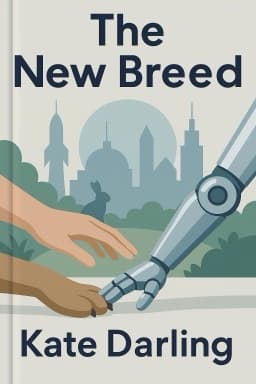
For decades, popular culture and technology discourse have framed robots as either humanoid competitors or soulless tools. But what if this framing blinds us to a more insightful perspective? Imagine robots as a new breed—more like animals than humans. This analogy is not just poetic; it has profound implications for how we design, interact with, and legislate for robots.
Historically, humans have had complex relationships with animals—partners in labor, companions, and sometimes adversaries. These relationships evolved over millennia, shaping social structures and ethical norms. Viewing robots through this lens helps us move beyond fear and anthropomorphism. Robots are not humans; they are autonomous agents with distinct capabilities and limitations, much like animals. They supplement human efforts in work, companionship, and social roles.
Consider industrial robots that perform dangerous or repetitive tasks. Like oxen or dogs in the past, they free humans to focus on creativity and oversight. Yet, just as animals require care and ethical treatment, so do robots demand thoughtful design and regulation. Emotional bonds form with social robots, echoing the human tendency to anthropomorphize animals and objects. This raises questions about empathy, manipulation, and the nature of companionship.
Legally and morally, robots challenge traditional categories. Ancient laws about animal liability offer precedents for addressing robot-caused harm. Ethical debates about robot rights parallel the evolution of animal rights, highlighting the fluidity of our moral circle. As robots become woven into daily life, our choices will shape whether they enrich or disrupt society.
Embracing the animal analogy invites us to rethink technology not as a threat but as a partner in a shared world. It encourages humility, creativity, and responsibility as we build the future together.
By reimagining robots as a new breed, we open doors to innovative collaborations, ethical frameworks, and social bonds that honor diversity in intelligence and form.
Explore more about how this perspective transforms our understanding of work, companionship, and rights in the coming sections.
Sources: Insights synthesized from the book 'The New Breed' and related research articles on robot ethics and animal analogy in robotics 1 , 2 , 3 .
Want to explore more insights from this book?
Read the full book summary