
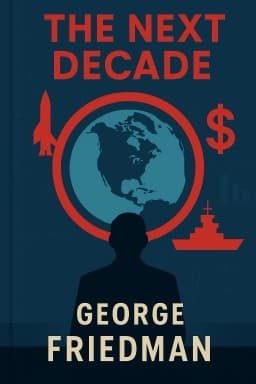
America’s Hidden Empire: How Unseen Forces Shape Our World
Discover the surprising ways America became the world’s most influential empire without formal colonies or traditional conquest.

When we think of empires, images of colonial flags, sprawling territories, and direct governance often come to mind. Yet, America’s empire defies these traditional notions. It is an empire without formal colonies, without overt political control over other nations, but with a reach and influence that shape the global order in profound ways.
At the heart of this empire lies the American economy, which accounts for nearly 25% of global production. This economic dominance creates a web of interdependence, where changes in American markets ripple through distant countries—from shrimp farms in Southeast Asia to manufacturing hubs in Eastern Europe. The U.S. dollar’s role as the global reserve currency further cements this influence, making American financial policies a matter of international consequence.
Complementing economic power is America’s unparalleled military presence. With bases and forces stationed across dozens of countries, the U.S. projects power not through conquest but through deterrence and strategic partnerships. This military reach ensures the security of vital trade routes and upholds a global order favorable to American interests.
The presidency embodies this unique imperial role. Unlike leaders of other democracies, the American president commands a vast military and shapes foreign policy with limited checks abroad. This concentration of power makes the president a global figure whose decisions reverberate worldwide.
Yet, this empire is unintentional and fragile. It relies on a complex balance of economic strength, military readiness, and diplomatic finesse. Missteps can lead to resistance, resentment, or decline. Understanding this hidden empire is essential for grasping the challenges and opportunities facing America in the 21st century.
As we explore further, we will see how regional balances, economic crises, terrorism, and leadership all intertwine within this grand narrative, revealing the delicate dance of power that defines our era.
Sources: Historical analyses of American global influence, economic data from international organizations, military strategy studies, and presidential powers assessments.
Want to explore more insights from this book?
Read the full book summary