
The Secret Life of Insulin: How a Hidden Hormone Shapes Your Body
Discover the Hormonal Switch That Controls Fat Storage

Discover the Hormonal Switch That Controls Fat Storage
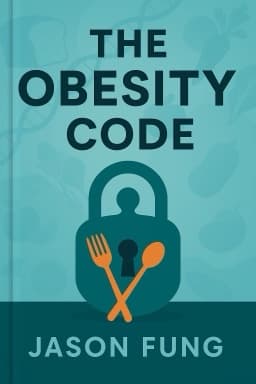
Insulin: a word you’ve heard, but do you know its true power? In 'The Obesity Code,' Dr. Jason Fung reveals that insulin is not just a diabetes drug or a number on your blood test—it’s the master switch for fat storage and hunger. Most diets fail because they ignore this crucial hormone. Every time we eat, especially refined carbs and sugar, insulin rises. Its job is to move sugar from your blood into your cells, but when there’s too much, it tells your body to store the excess as fat. Over time, high insulin leads to resistance—your body needs more and more to get the same effect, and the fat keeps piling on.
But insulin doesn’t act alone. Leptin, the hormone that signals fullness, can be blocked by high insulin, leaving you hungry after a meal. Cortisol, the stress hormone, also raises insulin, explaining why stress-eating is so common. Poor sleep disrupts these hormones further, creating a perfect storm for weight gain.
What’s the solution? Lowering insulin—not just by cutting calories, but by changing when and what you eat. Intermittent fasting allows insulin to fall, so your body can finally burn stored fat. Whole foods, rich in fiber and healthy fats, cause smaller insulin spikes and keep you satisfied longer. Real-life stories and research show that focusing on hormones, not just calories, leads to lasting change.
Many fear fasting, confusing it with starvation. But fasting is a natural, controlled pause from eating that actually boosts metabolism and cellular repair. By embracing meal timing, reducing snacking, and prioritizing whole foods, you can reset your hormonal balance and unlock a healthier, leaner you.
Insulin is not your enemy—it’s your body’s way of keeping you alive. But in the modern world, it’s been hijacked by constant eating and processed foods. Take back control, one meal and one fast at a time.
Want to explore more insights from this book?
Read the full book summary