
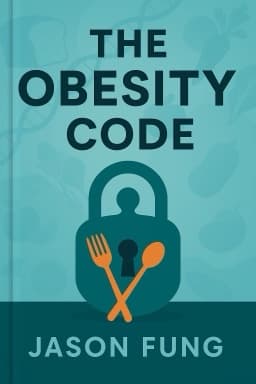
Why Everything You Know About Weight Loss Is Wrong: The Obesity Code Exposed
Unlocking the Real Reasons Behind the Global Obesity Crisis

Unlocking the Real Reasons Behind the Global Obesity Crisis
For generations, the world has been sold a simple story: if you want to lose weight, just eat less and move more. It’s a message plastered across government guidelines, food labels, and fitness magazines. But what if this advice is not only ineffective, but actually fueling the obesity epidemic? Dr. Jason Fung’s 'The Obesity Code' dismantles these myths with a blend of history, science, and compassionate storytelling. This blog draws on Fung’s insights, recent scientific findings, and expert reviews to reveal the hidden forces behind weight gain and the path to lasting health.
The Calorie Myth: Why Diets Fail
Consider this: despite an explosion of diet products, fitness apps, and low-fat foods, obesity rates have tripled since the 1970s. The conventional wisdom—eat less, move more—has failed millions. The reason? Weight is not simply a math problem. When you cut calories, your body fights back by slowing metabolism and ramping up hunger hormones. Studies of starvation and yo-yo dieting prove that most people regain lost weight, often with interest. The body is designed to defend its weight, not shed it easily.
The Real Culprit: Hormones and Insulin
Fung’s central thesis is revolutionary: obesity is a hormonal disorder, not a caloric one. Insulin, the hormone that stores energy, is the master regulator of fat. Every time you eat—especially sugars and refined grains—insulin rises, telling your body to store fat. When insulin stays high, your body’s 'set weight' drifts upward, making weight loss almost impossible through willpower alone. This explains why people with diabetes who take insulin often gain weight, and why drugs that lower insulin help people lose it.
How Modern Life Keeps Us Overweight
It’s not just what we eat, but how and when. The rise of constant snacking, sugary drinks, and processed foods keeps insulin high all day. Chronic stress and lack of sleep further elevate fat-storing hormones like cortisol. Even exercise, while vital for health, does little to move the needle on weight unless hormones are addressed. Countries with high exercise rates still face soaring obesity if their diets are dominated by processed foods.
The Power of Fasting and Meal Timing
Fung revives ancient wisdom with a modern twist: fasting is not starvation, but a powerful tool to reset hormones. Periods without food allow insulin to drop, unlocking fat stores and restoring metabolic health. Intermittent fasting, time-restricted eating, and even longer fasts (under medical supervision) have helped thousands break the cycle of weight gain. Real-life examples abound: people who failed on countless diets succeed when they focus on when, not just what, they eat.
Healing Beyond the Plate: Stress, Sleep, and Self-Compassion
Lasting change is about more than food. Chronic stress and poor sleep keep hunger hormones high and willpower low. The food industry engineers snacks to be addictive, bypassing natural satiety. But hope is real: studies show that self-compassion, community support, and a focus on whole foods and meal timing can reverse even long-standing obesity. Healing is possible at any age, and setbacks are part of the journey, not signs of failure.
Conclusion: A New Hope for Health
The Obesity Code is more than a diet book—it’s a call to rethink everything we know about weight, health, and self-care. By focusing on hormones, meal timing, and real food, anyone can break free from the old myths and step into a brighter, healthier future. For those ready to heal, the journey begins with knowledge, kindness, and the courage to try a different path.
Want to explore more insights from this book?
Read the full book summary