

Overcoming Resistance: What to Do When Your Ego Fights Back (And Why That’s Good News)
Learn why resistance is a natural part of healing and how to move through it with kindness.
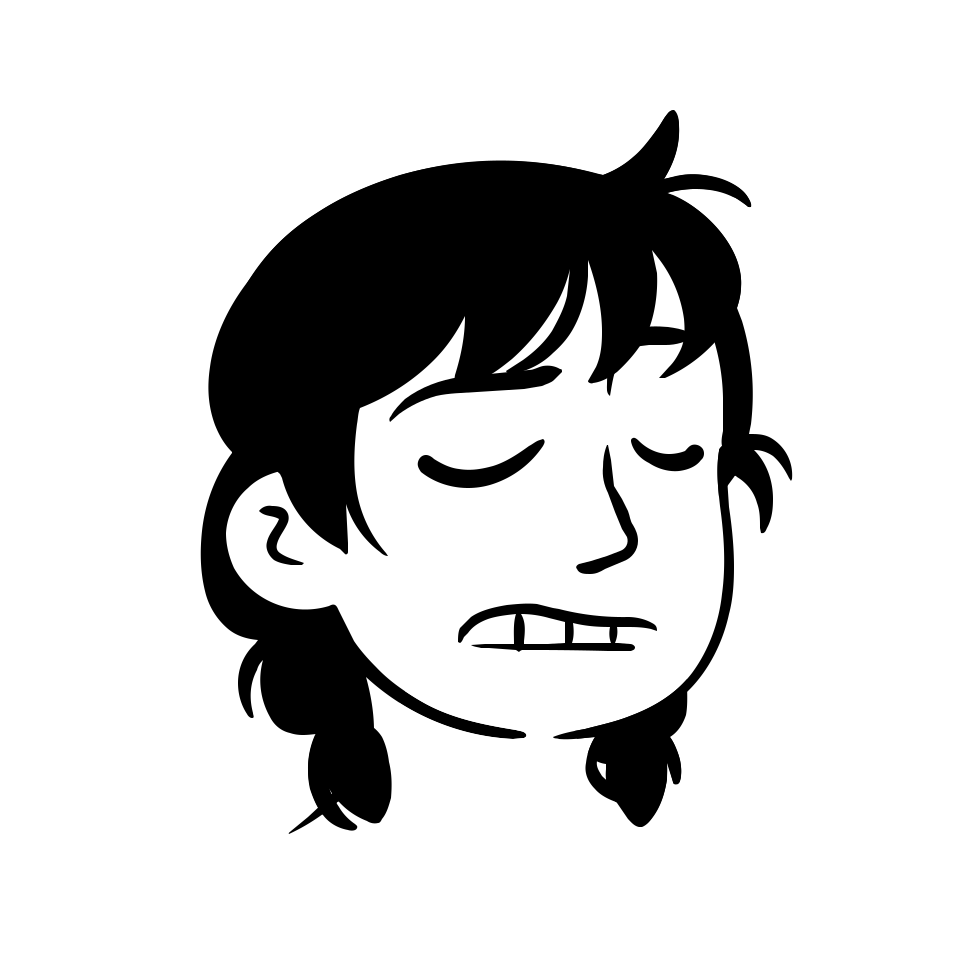
You’ve started using the six-word prayer. Maybe you felt a rush of peace at first—but then, suddenly, doubt creeps in. Old fears resurface. You feel distracted, impatient, or even skeptical. Sound familiar? If so, congratulations: you’re experiencing resistance, and that’s actually a sign you’re on the right path.
Debra Engle’s book reassures us that the ego doesn’t like change. Its job is to keep things familiar, even if that means holding onto fear. When you start asking for your fear-based thoughts to be healed, the ego may protest. It might sound like, 'This is too simple,' or, 'What if it doesn’t work?' Or it might distract you with busyness, making it hard to remember the prayer at all.
Psychologists call this 'homeostasis'—the mind’s tendency to resist change, even positive change. The trick is to notice resistance without judgment. Instead of fighting it, greet it with curiosity: 'Ah, there’s my ego again.'
Readers share stories of feeling stuck or even more anxious at first. But those who persisted found that resistance eventually gave way to breakthroughs—a deeper sense of peace, more compassion, and a new relationship with their own thoughts.
The key is self-compassion. Be gentle with yourself. Use the prayer as often as needed, especially when resistance is strongest. Remember, healing is a journey, not a race. Every return to the prayer is a victory.
With patience and kindness, you’ll find that the ego’s voice grows quieter, and your true self shines through.
References: Goodreads, Spirituality & Practice, Amazon, psychological studies on homeostasis and resistance
Want to explore more insights from this book?
Read the full book summary