
From Rebellion to Ritual: How Sword Dances and Broken Lamps Tell the Artist’s Story
Exploring the ancient rituals that mark the artist’s rite of passage and creative awakening.

Rituals have long served as bridges between the mundane and the sacred, marking moments of transformation and passage. In the story of the young artist, the ancient sword dance—known as the tripudium—plays a pivotal role in his rite of passage.
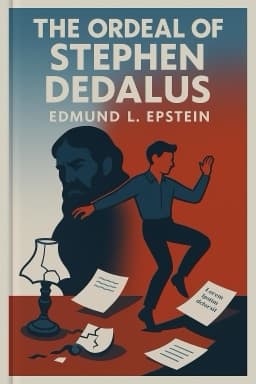
With an ashplant in hand, the artist performs a dance that is both physical and symbolic. The ashplant, a simple branch, is imbued with phallic symbolism, representing masculine creative energy and power. As he moves with rhythmic precision, the dance reconnects him to ancient mythologies and cultural traditions that celebrate the transition from boyhood to manhood.
Central to this ritual is the dramatic smashing of a lamp, a potent symbol of paternal authority and repressive light.
The interplay of light and darkness during the dance—glowing embers at his feet contrasted with looming shadows—mirrors the eternal struggle between repression and creativity. The ritual is witnessed by shadowy figures, symbolizing the watchful eyes of society and tradition, who both fear and respect the emerging power of the son.
This ritualistic dance and symbolic destruction are not isolated acts but part of a larger narrative of artistic awakening. They encapsulate the tension and release that define the artist’s journey from submission to self-assertion.
Understanding these rituals enriches our appreciation of how cultural symbols convey the profound psychological and spiritual transformations that shape creative identity.
Want to explore more insights from this book?
Read the full book summary