
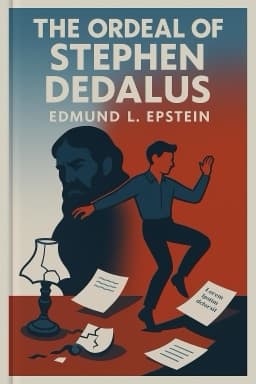
The Secret Language of Warmth and Cold: How Sensory Symbols Reveal the Artist’s Inner Battle
Unlocking the hidden meanings behind warmth and cold in the story of artistic awakening.

In the rich tapestry of storytelling, sensory imagery often carries meanings deeper than words alone can express. Among the most potent of these symbols are warmth and coldness—forces that shape the emotional and psychological landscape of characters and readers alike.
For the young artist at the heart of our story, warmth is the glow of nurturing love, the comforting light of home, and the spark of creative energy. It is the softness of a mother’s slippers, the flicker of a fire, and the glow of embers beneath his feet during a ritual dance.
In stark contrast, coldness manifests as the damp corridors of school, the pale faces of authority figures, and the chilling shadows cast by symbolic fathers. This coldness represents repression, fear, and the constraints imposed by tradition and power. It is the cold white light of paternal authority, seeking to freeze the young artist in obedience and immaturity.
This duality is more than emotional—it is psychological and spiritual. The warmth invites the artist to embrace his creative self, while the cold challenges him to resist conformity and claim his identity. This tension fuels his rebellion and shapes his journey toward maturity.
Psychologically, warmth and coldness correspond to nurturing and controlling forces within the psyche. The artist’s pride acts as a warm shield, protecting his inner flame from the cold assaults of doubt and fear. The biblical allusions to eagles tearing out eyes symbolize the terrifying power of paternal wrath, a cold force that the artist must overcome.
Ritual acts, such as the ancient sword dance, embody this struggle physically and symbolically. The smashing of the lamp—a cold light extinguished—heralds the birth of new warmth and creative freedom. This act of destruction and renewal is a vital step in the artist’s transformation.
Understanding this secret language of warmth and cold enriches our appreciation of the artist’s inner battle and the universal human experience of growth through conflict.
Want to explore more insights from this book?
Read the full book summary