
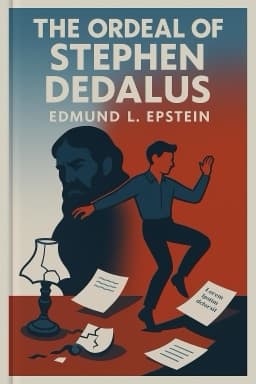
Why Every Son Must ‘Kill’ His Father: The Shocking Truth About Generational Conflict in Art and Life
Unveiling the timeless, symbolic battle between fathers and sons that shapes creativity and identity.

From the dawn of human storytelling, one theme has echoed with relentless power: the conflict between fathers and sons. This is no mere family squabble but a symbolic battlefield where the old order confronts the new, and where creativity and identity are forged in fire.
Why is this conflict so universal? The answer lies in the very nature of growth and renewal. Fathers represent authority, tradition, and the weight of the past, while sons embody youth, rebellion, and the promise of the future. This dynamic is reflected in countless works of literature and art, where the son’s journey is a painful but necessary passage toward maturity and creative freedom.
Philosophically, this struggle is deeply rooted in Aristotelian teleology—the idea that everything has a purpose and an end. Fatherhood marks the climax of a man’s development, the moment he produces a legacy. Yet this legacy also contains the seeds of his own displacement, as the son rises to claim his creative destiny.
In this light, fatherhood transcends biology to become a mystical estate, a universal role that carries both power and vulnerability. The son must confront symbolic fathers—whether priests, teachers, or societal figures—who seek to contain him. This confrontation is often depicted through sensory imagery: coldness representing repression and warmth symbolizing life and creative energy.
Consider the young artist who feels isolated and different, his pride in identity both a shield and a sword. His first acts of rebellion coincide with historical upheavals, linking personal and political revolutions. Rituals such as the sword dance (tripudium) symbolize his rite of passage, where destroying old symbols of authority ushers in new creative freedom.
Yet the journey is not without spiritual turmoil. Terrifying sermons and internal doubts test the artist’s resolve, while pride sustains his vocation as both shield and motivator. His ‘ever virgin’ status symbolizes a liminal state between potential and actualization, underscoring the tension inherent in creative growth.
Ultimately, the artist embraces his vocation through symbolic acts of affirmation and exile. Leaving home becomes a necessary step to escape repression and fully realize his creative freedom. The journey is framed as a destiny he was born to serve—a path of challenge, transformation, and fulfillment.
This timeless narrative invites us all to reflect on our own generational legacies and the creative fires we must kindle by confronting the shadows of the fathers who came before us.
Want to explore more insights from this book?
Read the full book summary