
Unlock Your True Potential: The Surprising Power of Breathing Right
Discover how mastering your breath can transform your health, fitness, and mental clarity in ways you never imagined.

Why Breathing Matters More Than You Think
Every second, your body performs the miraculous act of breathing, delivering oxygen to cells and removing carbon dioxide. Yet, most people breathe inefficiently — often overbreathing or mouth breathing — unknowingly sabotaging their health and performance. The truth is, more air doesn’t always mean more oxygen. In fact, taking deep, rapid breaths can reduce oxygen delivery by lowering carbon dioxide levels, which are essential for releasing oxygen from hemoglobin to tissues.
Understanding this oxygen-carbon dioxide balance is the foundation of modern breathing science. The Bohr Effect, a physiological principle, explains how carbon dioxide controls oxygen release, making it the unsung hero of respiration. This insight challenges long-held beliefs and opens new avenues for improving health through breath control.
The Hidden Benefits of Nasal Breathing
Switching from mouth to nasal breathing is a simple yet profound change. The nose filters, humidifies, and warms the air, while producing nitric oxide — a molecule that dilates blood vessels, improves oxygen transport, and has antimicrobial properties. Nasal breathing also encourages slower, more controlled breaths, increasing carbon dioxide retention and enhancing oxygen delivery.
Moreover, habitual mouth breathing, especially in children, leads to structural changes like narrow jaws and smaller airways, increasing the risk of sleep apnea and respiratory illnesses. Nasal breathing preserves facial development and supports restful sleep, making it a cornerstone of lifelong health.
Measuring Your Breathing Efficiency: The BOLT Test
The Body Oxygen Level Test (BOLT) offers a simple way to assess your breathing efficiency by measuring how long you can comfortably hold your breath after a normal exhale. This test reflects your carbon dioxide tolerance and correlates with breathlessness and fitness levels. A low BOLT score indicates overbreathing and poor oxygen utilization, while a higher score signals better respiratory health.
Breath-Hold Training: Simulating High-Altitude Benefits
Breath-hold exercises mimic the effects of high-altitude training by creating temporary oxygen shortages that stimulate the spleen to release stored red blood cells. This boosts your blood’s oxygen-carrying capacity, improving endurance and VO2 max — a key measure of aerobic fitness. Unlike costly altitude chambers or mountain retreats, breath-hold training is accessible and effective.
The Mental Edge: Breathing Your Way to Flow State
Controlled breathing activates the parasympathetic nervous system, reducing stress hormones and promoting relaxation and mental clarity. Athletes who master their breath often enter the flow state, where mind and body operate in perfect harmony, resulting in effortless movement and peak performance. Breath is truly the bridge connecting body and mind.
Breathing for Health: Weight Management and Asthma Relief
Optimized breathing supports metabolism by enhancing cellular oxygenation, aiding natural weight loss without extreme dieting. For those with asthma, nasal breathing and breath-hold exercises improve airway dilation, reducing symptoms and medication needs. These techniques empower individuals to take control of their respiratory health naturally.
Conclusion: Your Breath, Your Power
Mastering your breath is a simple yet profound way to transform your health, fitness, and mental well-being. From the science of oxygen and carbon dioxide balance to ancient wisdom preserved by indigenous tribes, breathing right unlocks your body's true potential. Start today by embracing nasal breathing, practicing gentle breath holds, and tuning into your body's signals. Your breath is the finest gift of nature — cherish it, nurture it, and let it guide you to a healthier, more vibrant life.
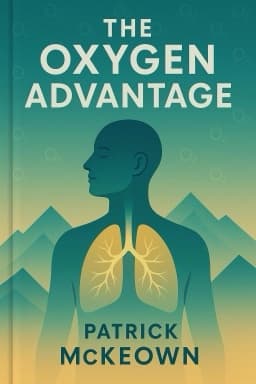
For more insights and practical guidance, explore books like The Oxygen Advantage and The Breathing Cure, which delve deeper into these transformative techniques.
1 2 3 4
Want to explore more insights from this book?
Read the full book summary