
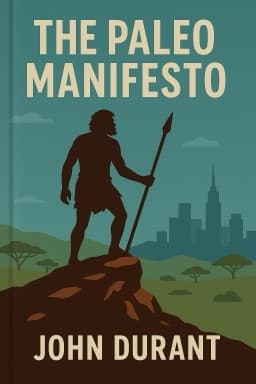
Why Your Modern Diet Is Making You Sick: The Evolutionary Health Revolution
The hidden evolutionary reasons behind rising chronic diseases and how to fix them.

Our modern diet is a far cry from what our bodies were designed to handle. Over the past few centuries, industrialization and agriculture have introduced processed grains, refined sugars, and sedentary lifestyles that are at odds with millions of years of evolutionary adaptation.
Studies of hunter-gatherer societies reveal diets rich in diverse plants and animals, providing balanced nutrition and micronutrients essential for health. These populations exhibit low rates of chronic disease, strong skeletal health, and longevity free from many modern ailments. In contrast, archaeological evidence shows that early farmers experienced nutritional deficiencies, shorter stature, and increased infectious diseases due to grain-heavy diets and crowded living conditions.
Captive gorillas offer a unique window into the effects of diet and environment mismatch. Despite vegan diets and no smoking, many develop heart disease, mirroring human conditions. When their diets shifted to fresh produce and natural fibers, health and behavior improved dramatically.
Intermittent fasting and natural movement patterns, such as walking and sprinting, reflect ancestral behaviors that promote metabolic flexibility and cardiovascular health. These practices activate cellular repair mechanisms and improve insulin sensitivity, countering the effects of constant eating and inactivity common today.
The evolutionary health revolution calls for a return to whole, unprocessed foods, avoidance of industrial grains and sugars, and incorporation of natural rhythms in eating and activity. This approach empowers individuals to reclaim vitality and reduce disease risk by aligning lifestyle with biology.
Understanding the evolutionary origins of diet and health challenges not only explains why modern approaches often fail but also provides a roadmap for sustainable wellness. By embracing our ancestral blueprint, we can transform health outcomes and enjoy a richer, more vibrant life.
Want to explore more insights from this book?
Read the full book summary