
Eat the Rainbow: How Colorful Foods Can Transform Your Health (and Mood!)
Why your plate’s color spectrum matters more than you think.

The Science of Colorful Eating
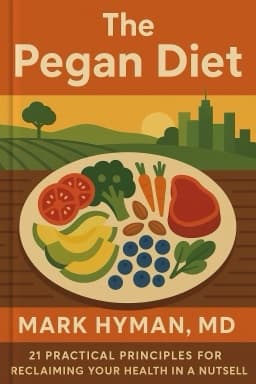
Have you ever wondered why nutritionists rave about colorful plates? It’s not just for Instagram. Each hue in fruits and vegetables represents a unique family of phytonutrients—natural chemicals that protect plants and, when we eat them, us. The Pegan Diet places this principle at its core, encouraging you to fill your plate with reds, oranges, yellows, greens, blues, and purples.
Red foods like tomatoes and watermelon are loaded with lycopene, a powerful antioxidant linked to heart health and cancer prevention. Orange and yellow foods, such as carrots and sweet potatoes, offer beta-carotene for eye health and immune support. Greens like kale, spinach, and broccoli are detox superstars, packed with chlorophyll, fiber, and minerals. Blue and purple foods—think blueberries and eggplant—contain anthocyanins, which fight inflammation and protect the brain.
Beyond Nutrition: The Joy of Variety
Eating the rainbow isn’t just about health. It makes meals more exciting, encourages mindful eating, and introduces you to new flavors and textures. Studies show that people who eat a wider variety of plant foods have healthier guts, stronger immune systems, and lower rates of chronic disease.
But what if you’re a picky eater, or live in a place where fresh produce is limited? Start small. Add one new color each week. Try frozen or canned veggies (without added salt or sugar), or grow herbs on your windowsill. Every step counts.
Tips for Making Your Plate More Colorful
- Shop by color at the market—challenge yourself to buy one fruit or veggie in each color.
- Use herbs and spices like turmeric, parsley, or paprika to add color and nutrients.
- Make smoothies or soups with mixed produce for a concentrated dose of phytonutrients.
Conclusion: A Colorful Path to Wellness
Eating the rainbow is more than a trend—it’s a time-tested, research-backed way to boost your health and happiness. Start today: look at your next meal and ask, “How many colors can I add?” Your body, and your mood, will thank you.
Want to explore more insights from this book?
Read the full book summary