
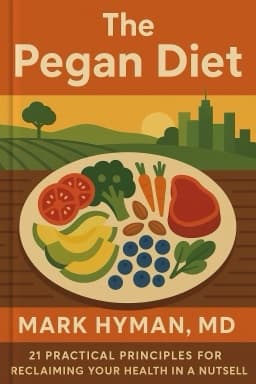
Is the Pegan Diet the Ultimate Health Hack? Here’s What Science and Experts Say
Discover how the Pegan Diet blends ancient wisdom and modern science for vibrant health.

Blending Paleo and Vegan for the Modern Age
The nutrition world is often divided: Paleo fans tout the benefits of ancestral eating, while vegans point to the power of plants. But what if you could have the best of both worlds? Enter the Pegan Diet, a term coined by Dr. Mark Hyman, which merges these seemingly opposite philosophies into one flexible, evidence-based approach.
At its heart, the Pegan Diet is about eating real, whole foods. Imagine a plate overflowing with colorful vegetables, a small side of wild-caught fish or grass-fed meat, and a sprinkle of nuts and seeds. Dairy and gluten are minimized, while legumes and whole grains are included in moderation, tailored to your body’s needs. The diet is less about strict rules and more about principles: eat the rainbow, prioritize quality, and listen to your body.
The Science Behind the Claims
Supporters claim the Pegan Diet can lower inflammation, balance blood sugar, and even reduce the risk of chronic diseases like heart disease and diabetes. There’s solid science behind these ideas: studies consistently show that eating more vegetables, healthy fats, and minimally processed foods improves health outcomes. Omega-3-rich fish supports brain and heart health, while fiber from diverse plants feeds the microbiome. Critics, however, note that some claims are extrapolated from broader research on Mediterranean or plant-rich diets, rather than the Pegan Diet specifically.
One unique aspect is the focus on food quality. Grass-fed meats, pasture-raised eggs, and wild-caught fish are encouraged, not just for their nutrient profiles but for their environmental and ethical implications. Regenerative agriculture—where animals graze in ways that restore soil and draw down carbon—plays a starring role in the Pegan philosophy.
Practicality and Personalization
While the Pegan Diet is praised for its flexibility, some critics argue it can be expensive or inaccessible, especially for those without easy access to farmers’ markets or specialty grocers. The diet’s answer? Do the best you can with what you have, focus on variety, and don’t let perfection be the enemy of progress. Even small changes—like swapping processed snacks for nuts, or adding one new vegetable each week—can make a difference.
Personalization is another Pegan hallmark. The diet encourages you to experiment: try a 10-day reset, notice how different foods affect your energy and mood, and adjust accordingly. It’s not about dogma, but discovery.
Addressing the Controversies
No diet is without its critics. Some nutritionists worry that limiting beans and grains could reduce fiber intake for some people, while others point out that not everyone can afford grass-fed meats or organic produce. The Pegan Diet’s response is pragmatic: prioritize plants, choose the best quality you can, and remember that every step toward whole foods counts.
Environmentalists debate the impact of animal foods, but regenerative farming offers a hopeful path—restoring soil, supporting biodiversity, and even reversing climate change when done right.
Is the Pegan Diet for You?
If you’re looking for a sustainable, science-backed approach to eating that honors both your body and the planet, the Pegan Diet is worth a closer look. It’s not a quick fix or a one-size-fits-all plan, but a flexible framework you can adapt to your needs. Whether you’re vegan, paleo, or just curious, the Pegan Diet invites you to explore, experiment, and enjoy the journey to vibrant health.
Want to explore more insights from this book?
Read the full book summary