
Is Your Salad Secretly Sabotaging You? The Shocking Truth About Healthy Foods
How Everyday 'Superfoods' Could Be Quietly Wrecking Your Health—And What You Can Do Now

How Everyday 'Superfoods' Could Be Quietly Wrecking Your Health—And What You Can Do Now
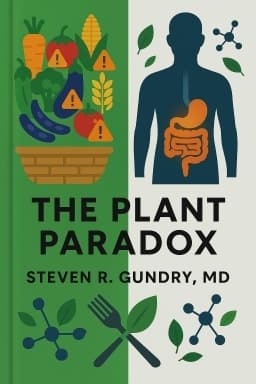
Imagine sitting down to a vibrant bowl of salad, loaded with tomatoes, cucumbers, and a sprinkle of seeds—feeling virtuous about your healthy choices. But what if that very meal is undermining your energy, digestion, and long-term health? In 'The Plant Paradox,' Dr. Steven Gundry flips the script on what we call 'healthy,' revealing that many plant foods contain lectins—proteins evolved by plants to defend against predators. These are not just harmless byproducts; they are, according to Gundry, active agents that can poke holes in your gut lining, trigger inflammation, and set the stage for autoimmune disease.
Lectins are found in abundance in foods we’re often told to eat more of: beans, whole grains, nightshades like tomatoes and eggplants, and even so-called ancient grains like quinoa. The evolutionary backstory is fascinating: plants, unable to run from danger, developed chemical defenses to deter insects, animals, and yes—humans. These defenses, while ingenious for survival, may spell trouble for our digestive and immune systems.
Gundry’s thesis is that our modern food environment—filled with processed grains, GMO crops, and year-round produce—exposes us to more lectins than our ancestors ever faced. This, he argues, is a root cause behind the explosion in chronic illnesses, from arthritis and diabetes to brain fog and fatigue. While some critics say the science is still evolving, there’s growing evidence that for certain individuals, reducing lectin intake can dramatically improve gut health, reduce inflammation, and even reverse autoimmune conditions.
So what’s a health-conscious eater to do? Gundry recommends a phased approach: start with a short cleanse focused on leafy greens, cruciferous vegetables, and healthy fats, then gradually reintroduce foods while monitoring your body’s response. He also suggests specific preparation methods—like pressure cooking beans and peeling/seeding nightshades—to neutralize many lectins.
Real-life stories abound: people who suffered for years with joint pain or digestive issues often report dramatic turnarounds after adopting a lectin-free lifestyle. While not everyone needs to follow the program strictly, understanding the hidden world of plant defenses empowers you to make choices that truly support your health. Are you ready to question your food assumptions? Your salad may never look the same again.
For more on the science and controversy behind lectins, see WebMD’s comprehensive review and Dr. Gundry’s own blog for recipes and testimonials.
Want to explore more insights from this book?
Read the full book summary