
Inside the Vatican’s War Room: How Diplomacy Shaped the Fate of Millions
The Secret Meetings, Political Maneuvering, and High-Stakes Decisions That Defined the Vatican’s Role in WWII

The Secret Meetings, Political Maneuvering, and High-Stakes Decisions That Defined the Vatican’s Role in WWII
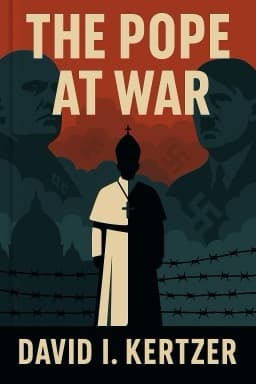
In the shadow of St. Peter’s Basilica, the Vatican became a nerve center of wartime diplomacy. Pope Pius XII, formerly Eugenio Pacelli, brought his years of experience as a diplomat in Germany to bear on every decision. 'The Pope at War' reveals how the Vatican, surrounded by Fascist Italy and later Nazi-occupied Rome, became a place where envoys from all sides converged, seeking influence and information.
Secret negotiations with Nazi and Fascist officials were routine, with the Vatican seeking to protect Catholic institutions and believers in occupied territories. The pope’s reluctance to openly condemn the Axis powers stemmed from a desire to safeguard the church’s global interests and avoid catastrophic reprisals. Yet, this diplomatic balancing act often led to painful compromises and accusations of moral equivocation.
The blog explores dramatic episodes: the use of secret envoys, the Vatican’s efforts to mediate peace, and the internal struggles as the war’s horrors became impossible to ignore. It also examines how the Vatican’s choices influenced postwar settlements, shaping the fate of Catholic communities in Eastern Europe and beyond.
Through these stories, readers gain a deeper understanding of the complexities of wartime leadership, the limits of diplomacy, and the enduring impact of decisions made in the Vatican’s war room.
Want to explore more insights from this book?
Read the full book summary