
Why Did the Pope Stay Silent? The Vatican, the Holocaust, and the Weight of Conscience
Exploring the Dilemmas and Debates That Still Haunt the Catholic Church

Exploring the Dilemmas and Debates That Still Haunt the Catholic Church
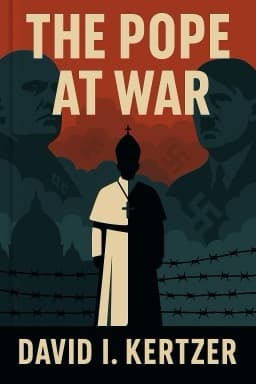
As the Holocaust swept across Europe, the world looked to Rome for moral leadership. Instead, it met a wall of silence. In 'The Pope at War,' David Kertzer reconstructs the Vatican’s internal debates, drawing from secret archives and survivor testimonies. Pope Pius XII’s refusal to publicly denounce the Nazis remains one of the most controversial decisions in religious history. Was he paralyzed by fear, or guided by a higher strategy?
Kertzer reveals that the Vatican received detailed reports of mass deportations and killings. Yet, the pope’s public statements remained vague, urging peace without naming the perpetrators. Some argue this silence was a pragmatic choice: open condemnation could have triggered brutal reprisals against Catholics and Jews. Others see it as a tragic moral failure, a moment when the church’s voice could have changed history.
The blog also shines a light on lesser-known heroes: nuns forging baptismal certificates, priests hiding children in monasteries, and local bishops risking their lives to defy Nazi orders. Their stories contrast sharply with the official Vatican line, raising questions about individual versus institutional courage.
The debate continues to this day, shaping discussions about sainthood, historical memory, and the responsibilities of religious leaders. As we reflect on these lessons, we are reminded that the silence of the powerful can echo louder than words—and that the weight of conscience is borne not only by popes, but by all who face evil in their time.
Want to explore more insights from this book?
Read the full book summary