
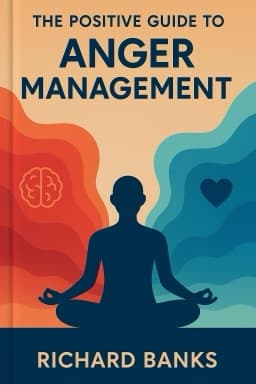
Are You Angry Without Knowing It? How to Spot Hidden Triggers and Take Control
Uncover the subtle signs of anger and the cognitive traps that fuel it to regain control of your emotions.

Many people live with anger they don’t fully recognize. It hides behind clenched jaws, rapid heartbeat, or subtle irritability. Sometimes it emerges as passive-aggressive actions or sudden emotional explosions. Understanding these hidden signs is key to mastering your emotions.
Physical symptoms such as muscle tension, flushed face, and increased heart rate often precede emotional outbursts. Recognizing these early warning signs gives you a chance to pause and choose a healthier response.
Cognitive distortions—unhealthy thinking patterns like mind reading (assuming others’ intentions) and catastrophizing (imagining worst-case scenarios)—fuel anger and frustration. Becoming aware of these distortions allows you to challenge and reframe your thoughts.
Environmental influences also play a role. Research shows that violent music and video games can increase susceptibility to anger by stimulating emotional centers in the brain. Being mindful of these influences helps you manage your emotional landscape better.
Identifying your personal triggers—whether relationship conflicts, feelings of disrespect, or injustice—is essential. By anticipating these situations, you can prepare yourself to respond calmly instead of reacting impulsively.
Mindfulness and breathing exercises are practical tools to intervene early. Deep, slow breaths activate the parasympathetic nervous system, calming your body and mind. Mindfulness meditation trains you to observe your emotions without judgment, creating space for thoughtful action.
With increased emotional self-awareness, you gain control over your anger rather than letting it control you. This transformation leads to healthier relationships, improved wellbeing, and greater resilience in life’s challenges.
Want to explore more insights from this book?
Read the full book summary