
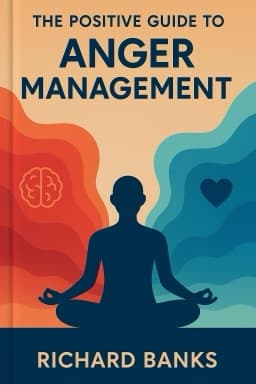
Mindfulness and CBT: The Dynamic Duo to Beat Anger and Stress
Learn how combining mindfulness and cognitive behavioral therapy can transform your emotional health.

Managing anger and stress requires more than willpower—it demands effective strategies grounded in neuroscience and psychology. Mindfulness meditation and Cognitive Behavioral Therapy (CBT) have emerged as leading approaches with robust evidence supporting their benefits.
Mindfulness involves paying attention to the present moment with openness and non-judgment. Regular practice strengthens the prefrontal cortex—the brain’s control center—enhancing your ability to observe emotions without reacting impulsively. This reduces emotional hijacking and fosters calmness.
CBT complements mindfulness by targeting the cognitive distortions and unhealthy thought patterns that trigger anger. Techniques such as cognitive restructuring help you challenge negative beliefs and replace them with balanced, realistic thoughts. Behavioral strategies teach you to respond assertively rather than aggressively.
Together, these approaches form a powerful toolkit. For example, mindfulness can help you notice early signs of anger, while CBT provides the skills to address the underlying thoughts and develop healthier responses.
Practicing deep breathing exercises activates the parasympathetic nervous system, calming your heart rate and muscles. Combining breath work with mindfulness enhances emotional regulation and reduces stress.
Seeking professional support amplifies these benefits. Therapists trained in CBT can tailor interventions to your needs, providing guidance, accountability, and support on your journey toward emotional mastery.
By embracing mindfulness and CBT, you empower yourself to transform anger from a disruptive force into a source of insight, motivation, and peace.
Want to explore more insights from this book?
Read the full book summary