
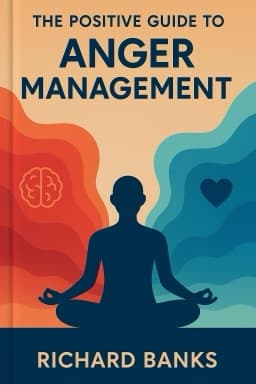
Unlock the Hidden Power of Anger: Transform Your Life with Mindful Mastery
Discover how mastering your anger can lead to lasting peace, better health, and empowered living.

Anger is often misunderstood as a negative, destructive emotion to be feared or suppressed. Yet, anger is a natural, innate response that signals when our boundaries are crossed or when injustice occurs. Rather than viewing anger as an enemy, understanding its role as a vital messenger can open the door to profound personal growth and healing.
Scientific research reveals the deep mind-body connection where our thoughts and emotions directly influence our physical health. Chronic stress fueled by unmanaged anger shortens DNA telomeres, accelerating aging and increasing disease risk. This biological insight underscores why managing anger is not just about emotional wellbeing but also longevity.
Emotions are electrochemical signals that inform us about our internal state and environment. Unlike moods, which are longer-lasting but less intense, emotions like anger are vivid and short-lived, preparing us for immediate action. Emotional awareness — recognizing and accepting these feelings without judgment — is the first step toward mastery.
Anger exists on a spectrum from manageable frustration to uncontrollable rage. Rage often stems from unresolved trauma and can lead to violence, while healthy anger motivates protective and positive actions. Recognizing the difference helps in seeking timely intervention when needed.
Suppressing anger has serious consequences. Studies show that bottling up anger increases the risk of premature death by 30 to 70 percent due to chronic stress weakening the immune system and damaging cardiovascular health. Socially, unmanaged anger harms relationships, leading to isolation and depression.
Self-awareness is crucial. Identifying physical signs like clenched jaws and rapid heartbeat, recognizing cognitive distortions such as catastrophizing and mind reading, and understanding personal triggers empower you to intervene before anger escalates.
Healthy expression of anger involves pausing to breathe, calming your mind, and communicating assertively and respectfully. Mindfulness meditation enhances this calm by training the brain to observe emotions without immediate reaction, activating the prefrontal cortex and reducing impulsive responses.
Professional support such as Cognitive Behavioral Therapy provides evidence-based techniques for long-term anger management, helping to change destructive thought patterns and develop emotional acceptance.
Mastering anger is a lifelong practice requiring patience and self-compassion. By embracing anger as a teacher rather than an adversary, you transform it from a storm into a steady flame lighting your path toward peace, healthier relationships, and renewed energy.
Start your journey today by tuning into your inner signals, practicing mindfulness, and seeking support when needed. The power to change your life lies within your mind and heart.
Want to explore more insights from this book?
Read the full book summary