
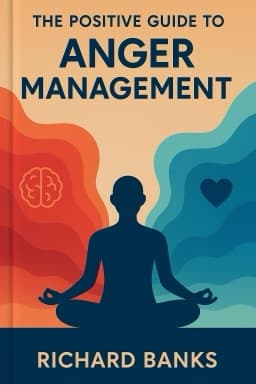
Why Suppressing Anger Could Be Killing You: The Science Behind Emotional Health
Explore the hidden physical and mental dangers of bottled-up anger and how to protect your health.

Suppressing anger might seem like the polite or mature choice, but mounting evidence reveals it can be deadly. People who habitually bottle up their anger face a 30 to 70 percent higher risk of premature death, primarily due to the chronic stress that suppression causes.
Chronic stress from repressed anger weakens the immune system, making the body vulnerable to infections and diseases such as cancer. It also damages cardiovascular health by elevating blood pressure and increasing the risk of coronary artery disease, stroke, and aneurysms. The silent storm of unexpressed fury wreaks havoc on the body from within.
On a cellular level, stress accelerates aging by shortening telomeres—the protective caps on our DNA strands. Telomere shortening is linked to higher disease risk and reduced lifespan. Managing emotions like anger is therefore critical not just for mental health but for physical longevity.
Socially, chronic anger damages relationships. Persistent hostility drives away friends and loved ones, leading to isolation and depression. The social support that safeguards mental health unravels, deepening the cycle of anger and loneliness.
Recognizing physical signs like clenched jaws, rapid heartbeat, and flushed face can alert you to rising anger before it becomes overwhelming. Mindfulness, breathing exercises, and assertive communication are powerful tools to express anger healthily, reducing stress and improving relationships.
Professional help such as Cognitive Behavioral Therapy offers evidence-based strategies to change destructive thought patterns and develop emotional regulation skills, supporting long-term health and wellbeing.
Ultimately, learning to manage anger constructively is a vital step toward protecting your heart, mind, and social connections, paving the way for a longer, healthier, and more fulfilling life.
Want to explore more insights from this book?
Read the full book summary