
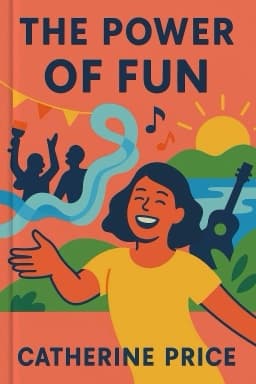
Why Your Fun is Faking It: The Hidden Dangers of Passive Entertainment
How mindless scrolling and binge-watching drain your energy and what to do instead.

In today’s digital age, fun is often equated with passive consumption—endless scrolling, binge-watching, or playing mindless games. While these activities may provide brief dopamine hits, they rarely satisfy our deeper need for joy and connection. This phenomenon, termed Fake Fun, can actually exacerbate feelings of loneliness, anxiety, and exhaustion.
Our brains are wired to seek reward, and dopamine is the chemical messenger that reinforces pleasurable behaviors. Unfortunately, social media and many apps are designed to hijack this system, keeping us hooked on short bursts of stimulation without meaningful engagement.
Consider how a night spent binge-watching might feel relaxing initially but often leaves you drained the next day. Or how mindless scrolling can replace opportunities for genuine social interaction and play.
Breaking the cycle of Fake Fun requires awareness and intentional changes. Start by auditing your activities to identify which provide real joy and which are mere distractions. Gradually replace passive habits with active ones—playing music, dancing, painting, or engaging in face-to-face conversations.
Building environments that support presence and connection, such as game nights or dance camps, helps sustain True Fun. Protecting your attention by turning off notifications and creating phone-free zones also fosters deeper engagement.
Ultimately, shifting from Fake Fun to True Fun restores energy, enhances creativity, and strengthens relationships. It’s a vital step toward living fully and feeling alive.
Want to explore more insights from this book?
Read the full book summary