
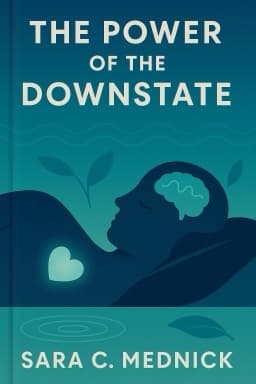
Eat Like Your Body’s Clock Depends on It: Nutrition Hacks for Peak Recovery
Why when you eat may be just as important as what you eat for your health and longevity.

Your body is finely tuned to the rhythms of nature, and nowhere is this more evident than in how it processes food. Emerging research in circadian nutrition reveals that not just what you eat, but when you eat, significantly impacts your metabolism, gut health, and long-term wellness.
Glucose metabolism peaks in the morning and declines by nearly 20% at night, making earlier meals more efficient for energy use and fat storage prevention. Eating late disrupts this rhythm, increasing the risk of metabolic disorders. Additionally, your gut microbiome—the trillions of microbes living in your digestive tract—follows its own circadian cycle, focusing on digestion during the day and detoxification at night.
Consuming whole, nutrient-dense foods rich in antioxidants and omega-3 fatty acids reduces inflammation and supports brain health. Avoiding processed and sugary foods helps maintain steady blood sugar and reduces systemic inflammation, which can impair Downstate recovery.
Time-restricted eating, where food intake is limited to a consistent window aligned with daylight hours, has shown promise in improving metabolic health and supporting the microbiome. This approach, combined with mindful food choices, creates a powerful synergy that enhances your body’s natural restorative processes.
By tuning your nutrition to your internal clock, you empower your body to recover, grow stronger, and maintain vitality throughout your life.
References:
1. Circadian rhythm and disease: Relationship, new insights, and future directions - PubMed
2. A prospective study to investigate circadian rhythms as health markers - Nature
3. Circadian Rhythms and Measures of CNS/Autonomic Interaction - PMC
Want to explore more insights from this book?
Read the full book summary