
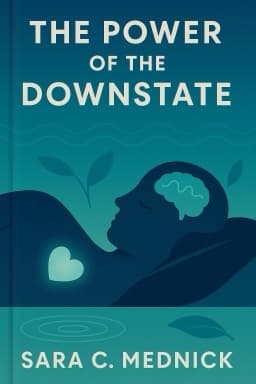
Why Your Breath Could Be the Ultimate Stress-Buster (And How to Master It Today)
Harness the science-backed breathing methods that can reset your nervous system and boost brain power.

In a world buzzing with constant demands, stress has become an unwelcome companion for many. But what if the key to managing stress, improving your mood, and enhancing your cognitive function lies in something as simple and accessible as your breath? The vagus nerve, a crucial part of your parasympathetic nervous system, acts as a natural reset button that can calm your heart rate, lower blood pressure, and promote emotional balance.
Scientific research shows that increasing vagal tone through controlled breathing increases heart rate variability (HRV), which is a powerful indicator of your body's ability to adapt to stress. Higher HRV is linked with better cognitive performance, emotional regulation, and overall health.
One of the most effective breathing techniques is resonant frequency breathing — slowing your breath to about six breaths per minute. This practice synchronizes your heart and lung rhythms, maximizing oxygen exchange and triggering parasympathetic activation. Nasal breathing is especially beneficial because it filters, humidifies, and warms the air, stimulating receptors that activate the vagus nerve.
Practicing slow, mindful nasal breathing for just a few minutes a day can reduce anxiety, improve focus, and enhance your emotional resilience. Techniques such as box breathing, diaphragmatic breathing, and guided meditation incorporate these principles to help you access your Downstate—the restorative phase essential for recovery and growth.
Whether you’re an athlete seeking better endurance, a professional battling burnout, or someone simply looking to improve mental clarity, mastering your breath is a transformative tool. Integrating breathwork into your daily routine can recalibrate your nervous system, deepen relaxation, and foster a profound sense of well-being.
References:
1. Circadian Rhythms and Measures of CNS/Autonomic Interaction - PMC
2. Circadian Rhythms of the Autonomic Nervous System - IntechOpen
3. A prospective study to investigate circadian rhythms as health markers - Nature
Want to explore more insights from this book?
Read the full book summary