
Love, Conflict, and Timing: How Your Biological Clock Shapes Relationships
Unlock deeper connections by aligning your social life with your internal clock.
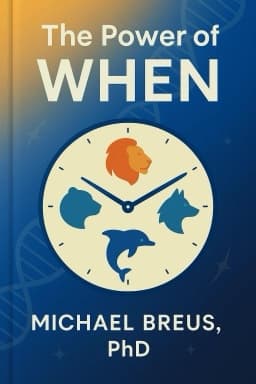
Relationships thrive not only on what we say or do but also on when we say or do it. Oxytocin, the bonding hormone, is released most effectively when intimacy aligns with your biological rhythms, enhancing trust and emotional connection. For example, morning-active Lions may find early intimacy more fulfilling, while night-loving Wolves prefer late-evening connection.
Timing also plays a crucial role in conflict resolution. Arguments during low-energy or off-peak mood times tend to escalate, while scheduling difficult conversations during periods of high alertness and calm mood fosters understanding and resolution.
Social jet lag—a mismatch between social schedules and biological clocks—can cause stress and misunderstandings within relationships. Respecting each other’s chronotypes and planning social interactions accordingly reduce friction and deepen empathy.
Want to explore more insights from this book?
Read the full book summary