
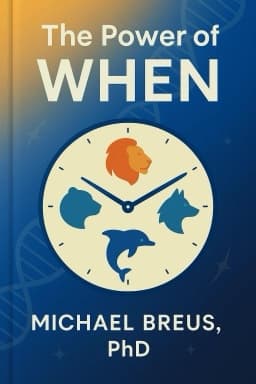
Why Timing Is Everything: The Science Behind Your Body’s Clock
Explore the fascinating biology that controls your daily energy, mood, and health.
Every living organism dances to a rhythm—a biological clock that ticks within, regulating vital functions from sleep to hormone release. Circadian rhythms are intrinsic 24-hour cycles that synchronize our internal processes with the external environment, primarily the light-dark cycle. These rhythms influence your alertness, mood, digestion, and even immune function.
Hormones play a starring role in this daily performance. Cortisol, often dubbed the 'stress hormone,' rises sharply in the early morning hours, priming your body for wakefulness and activity. In contrast, melatonin, the 'sleep hormone,' begins to rise in the evening, signaling your body to prepare for rest.
Sleep itself is a complex process divided into three distinct phases. Phase One, or deep restorative sleep, rejuvenates your body and repairs tissues. Phase Two is lighter sleep, allowing easy transition between wakefulness and deep sleep. Phase Three, known as REM sleep, is when vivid dreams occur and memories consolidate. Interrupted or insufficient sleep phases can lead to cognitive decline, mood disorders, and weakened immunity.
Modern lifestyles, with artificial lighting and screen use, often disrupt these natural cycles. Blue light emitted from phones and computers suppresses melatonin production, delaying sleep onset and reducing sleep quality. This misalignment contributes to the growing epidemic of sleep disorders and chronic fatigue.
By understanding and respecting your body’s hormonal rhythms, you can schedule demanding tasks during peak alertness and unwind effectively before bedtime to promote quality sleep.
"Your biological clock controls everything from your alertness to your metabolism."
In the next section, we’ll explore how timing affects your relationships and social connections, revealing surprising ways to deepen bonds by syncing with your internal clock.
Want to explore more insights from this book?
Read the full book summary