
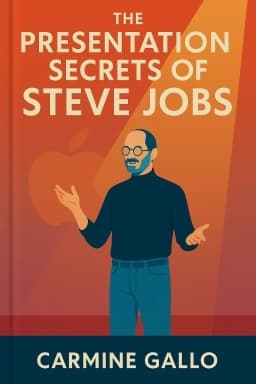
Unlock Steve Jobs’ Presentation Secrets: How to Captivate Any Audience Instantly
Discover the art of storytelling and visual mastery behind Steve Jobs’ legendary presentations and learn how to transform your talks into unforgettable experiences.

Imagine standing in front of a crowd, your message clear, your energy infectious, and your story so compelling that every listener leans in, eager to hear more. This was the hallmark of Steve Jobs’ presentations—simple yet profound, passionate yet precise. His talks were not just product launches; they were storytelling masterpieces that inspired millions.
One of the foundational secrets lies in the analog world—before any slide is created, the story is sketched on paper. This analog planning frees creativity and helps craft a narrative that flows naturally, avoiding the trap of bullet-point overload. Bullet points, while common, often kill engagement by overwhelming audiences with lists rather than stories.
Jobs’ presentations always answered the audience’s burning question: "Why should I care?" Whether launching a revolutionary phone or unveiling a new software feature, the focus was on clear benefits and relatable stories. Technical jargon was avoided, replaced by vivid analogies that made complex ideas accessible and memorable.
Passion was the secret sauce. Jobs’ messianic sense of purpose radiated through every word and gesture, creating a magnetic connection that energized audiences. This passion was paired with a clear mission, driving perseverance and inspiring action. Presentations were structured using the timeless rule of three—three key points that fit human cognitive limits and create rhythm and emphasis.
Crafting concise, memorable headlines was another hallmark. Headlines like "Today Apple reinvents the phone!" captured the essence of the message in a single powerful sentence, repeated consistently across channels to build brand recognition and trust.
Every great story needs conflict, and Jobs introduced the antagonist—the problem or status quo his products aimed to defeat. This created dramatic tension and emotional stakes, making the solution—the hero—shine even brighter. The hero was always presented simply and clearly, inviting the audience to rally around the solution and become loyal advocates.
Finally, the delivery was polished through extensive rehearsal, combining body language, eye contact, and authenticity to create effortless, captivating talks. Authenticity fostered trust and rapport, making the presentations feel natural and genuine.
By mastering these techniques, you too can transform your presentations from mundane to mesmerizing, inspiring audiences and leaving a lasting impact.
For more insights and detailed techniques, explore recommended readings and expert analyses that deepen your understanding of presentation mastery.
Want to explore more insights from this book?
Read the full book summary