
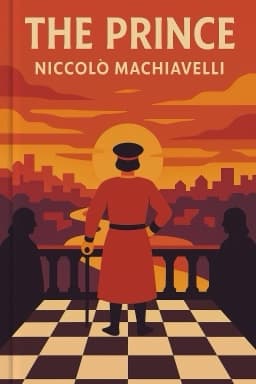
How The Prince Predicted Modern Politics (And Why We Can’t Ignore It)
From fake news to political spin: Machiavelli’s lessons are everywhere in today’s world.

Every election cycle, every political scandal, and every viral tweet proves just how prophetic Machiavelli was. His core insight—that appearances matter more than reality—has become the foundation of modern politics. Politicians carefully curate their images, spin their stories, and manage scandals with a skill that would make Machiavelli proud.
Consider the rise of media manipulation. In Machiavelli’s day, rulers staged grand public events to display their power. Today, leaders use television, social media, and digital marketing to craft their personas and control the narrative. The tools have changed, but the strategy is the same: win the hearts and minds of the people by shaping what they see and hear.
Machiavelli also predicted the dangers of relying on alliances, the risks of reform, and the importance of adaptability. His advice to ‘be both a lion and a fox’ is echoed in the way modern leaders blend strength with cunning, often pivoting between tough stances and conciliatory gestures depending on what the moment demands.
But perhaps Machiavelli’s most important lesson is that power, once gained, must be maintained through vigilance and flexibility. In an age of constant change, those who fail to adapt—who cling to outdated strategies or ignore the shifting mood of the public—are quickly swept aside.
The Prince is not just a book about the past; it’s a warning for the present. As long as people seek power, Machiavelli’s lessons will remain both relevant and unsettling.
References: Boston University, Medium, Stanford Daily
1
2
3
Want to explore more insights from this book?
Read the full book summary