
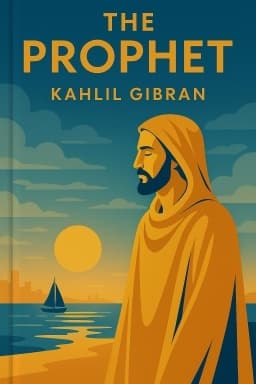
From Exile to Bestseller: The Incredible Story Behind The Prophet
How Gibran’s life of exile, longing, and creativity gave birth to a global phenomenon.

Few books have a backstory as fascinating as Kahlil Gibran’s The Prophet. Born of exile, longing, and a search for meaning, its journey is as inspiring as the words within.
Gibran’s Early Years: Roots and Uprooting
Born in Bsharri, Lebanon, Gibran’s childhood was marked by poverty and upheaval. Moving to Boston as a young boy, he faced the challenges of immigration and cultural dislocation. These experiences planted the seeds of longing and spiritual searching that would later blossom in The Prophet.
Finding a Voice: Art, Poetry, and Mysticism
Gibran’s early works blended art and poetry, drawing on Sufi mysticism, Christian imagery, and the romanticism of his new homeland. His friendships with artists and intellectuals in New York’s Greenwich Village helped shape his unique voice.
The Birth of The Prophet
Written over many years, The Prophet was Gibran’s attempt to distill his spiritual wisdom into a single work. Published in 1923, it was initially a modest success, but word of mouth and its use in ceremonies slowly made it a bestseller.
A Global Legacy
Today, The Prophet is translated into over 100 languages. Its influence can be seen in literature, music, and even politics—quoted by world leaders and beloved by millions.
The story of The Prophet is the story of finding hope and meaning in exile, and transforming personal longing into universal wisdom.
Sources: theinvisiblementor.com, Bookey, Goodreads
1
3
2
Want to explore more insights from this book?
Read the full book summary