
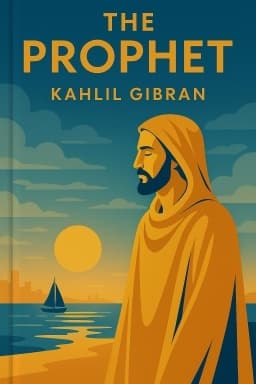
Why The Prophet Still Resonates: The Secret Power of Gibran’s Words
Unpacking the enduring appeal and universal impact of a poetic masterpiece.

What makes a book written in 1923 feel as fresh and urgent as the day it was published? The answer lies in the secret power of Gibran’s words—words that cross boundaries of culture, religion, and time.
The Universal Voice of the Prophet
Gibran’s narrator, Almustafa, is not just a sage for the people of Orphalese—he is a stand-in for anyone who has ever sought meaning in the midst of change. The Prophet’s structure—26 poetic essays on life’s essential themes—means every reader finds a reflection of their own journey.
East Meets West: A Bridge of Wisdom
Born in Lebanon, raised in America, Gibran’s writing blends Sufi mysticism, Christian imagery, and universal humanism. This fusion creates a spiritual language that feels both ancient and modern.
Symbols That Speak to the Soul
Every chapter is rich with imagery: ships as symbols of destiny, houses as masts or anchors, children as arrows, and the sea as the infinite. These symbols invite readers to interpret the book in ways that fit their own lives.
A Book for Every Milestone
The Prophet is quoted at weddings (“Let there be spaces in your togetherness”), at funerals (“For life and death are one”), and at graduations and farewells. Its wisdom is flexible, adaptable to joy and grief alike.
Timeless Lessons for Modern Times
In a world of rapid change and uncertainty, Gibran’s advice to embrace both joy and sorrow, to give selflessly, and to seek freedom within, feels more relevant than ever. His message is not to escape life’s difficulties, but to find meaning and beauty within them.
Gibran’s secret power is empathy—his ability to speak to the universal human heart. The Prophet remains a guide for anyone searching for peace, purpose, and connection.
Sources: theinvisiblementor.com, Goodreads, Bookey
1
2
3
Want to explore more insights from this book?
Read the full book summary