
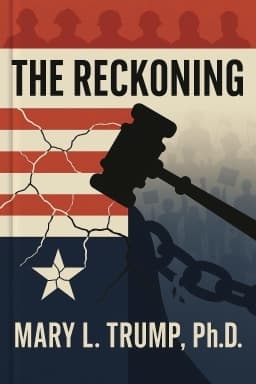
Healing America’s Wounds: The Science and Soul of Overcoming Intergenerational Trauma
How trauma from slavery and oppression lives on—and the pathways to collective healing

The legacy of slavery and systemic oppression is not confined to history books—it lives on in the bodies and minds of descendants through intergenerational trauma.
The concept of Post-Traumatic Slave Syndrome offers a framework to understand the multigenerational trauma experienced by Black communities. It sheds light on behavioral patterns and social challenges rooted in centuries of violence, discrimination, and economic deprivation.
Black success has often been met with violent repression, from the Tulsa massacre to systemic barriers designed to maintain white supremacy.
Trauma-informed care, which prioritizes safety, trust, and empowerment, is critical in healthcare, education, and social services.
Community resilience emerges through shared narratives, cultural affirmation, and collective action. Healing is a communal process that requires patience, empathy, and sustained commitment.
Understanding and addressing intergenerational trauma is essential for building a just and compassionate society. Our final reflections will focus on hope, action, and the renewal necessary to forge a more equitable future.
Want to explore more insights from this book?
Read the full book summary