
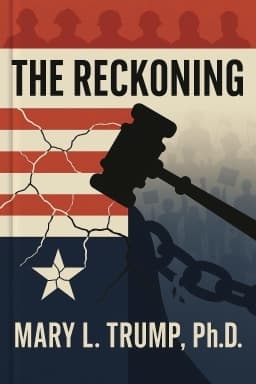
Pandemic Politics: The Deadly Cost of Ignoring Science and Spreading Lies
How political betrayal during COVID-19 magnified suffering and shattered trust

The COVID-19 pandemic was a defining crisis that exposed the vulnerabilities of American leadership and social cohesion. Despite having a comprehensive federal pandemic playbook, authorities chose to discard it, leaving the nation unprepared for the virus's rapid spread.
One of the most striking aspects of the pandemic was the politicization of mask-wearing. What should have been a simple, life-saving public health measure became a symbol of political identity and defiance.
Data transparency, critical for tracking and responding to the pandemic, was severely compromised. Hospitals were ordered to send COVID-19 data to politically appointed officials instead of trusted public health agencies like the CDC.
The pandemic disproportionately affected marginalized communities, revealing entrenched health disparities linked to systemic racism. Essential workers faced heightened risks without adequate protections, while economic fallout widened existing inequalities.
Despite these challenges, the resilience of healthcare workers and communities shone through. Their courage and dedication offered hope amid despair, highlighting the importance of solidarity and science in overcoming crises.
This tragic chapter underscores the vital need for competent, truthful leadership and the dangers of politicizing public health. Our next exploration will unmask the myth of American exceptionalism and its role in perpetuating racial inequality.
Want to explore more insights from this book?
Read the full book summary