
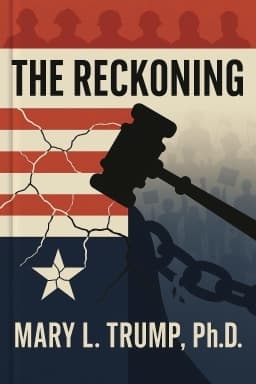
Unveiling America's Hidden Scars: The Brutal Truth About Slavery and Its Lingering Legacy
How centuries-old atrocities continue to shape modern America’s racial landscape

America’s story is often told as one of freedom and progress, but beneath this narrative lies a history marked by brutal oppression and systemic injustice. The institution of slavery was not simply a chapter in the past; it was the foundation upon which much of the country’s social and economic structures were built.
Consider the horrifying spectacles of lynching that went far beyond hanging. Victims were subjected to unimaginable tortures—amputations, burning alive, and mutilation—while crowds gathered to watch and even take souvenirs. These acts of terror were not isolated incidents but systematic tools of racial control designed to instill fear and maintain white supremacy.
After the Civil War, Reconstruction offered a brief window of hope when freed Black Americans gained citizenship and voting rights. Yet, this promise was swiftly undermined. Special Field Order 15, which allocated 40-acre plots to freed families, was revoked, displacing thousands and ensuring that Black land ownership remained negligible. This betrayal entrenched economic dependency and thwarted true freedom.
The 13th Amendment abolished slavery except as punishment for crime, a loophole exploited through convict leasing. This system forced Black prisoners into brutal labor under conditions akin to slavery, perpetuating racial exploitation under the guise of legality. These intertwined systems of violence and oppression have left a legacy that continues to impact communities today.
By confronting these painful truths, society can begin to dismantle the myths of progress and exceptionalism that obscure ongoing injustices. Healing requires acknowledgment, education, and a commitment to justice that addresses both past wrongs and their present-day consequences.
This exploration is not just history; it is a call to understand how the past shapes the present, and how reckoning with these truths is the first step toward a more equitable future.
Next, we will examine how these historical wounds have contributed to the erosion of American democracy and the rise of authoritarianism in recent years.
Want to explore more insights from this book?
Read the full book summary