
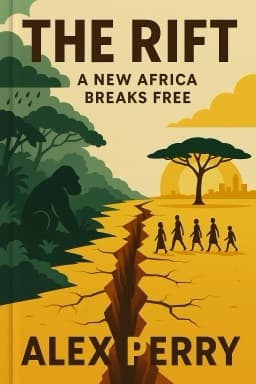
The Aid Paradox: When Helping Africa Hurts More Than It Heals
What ‘The Rift’ Reveals About the Dark Side of Good Intentions

Introduction: Foreign aid to Africa is a multi-billion dollar industry, but is it always a force for good? Alex Perry’s 'The Rift' asks us to look past the heartwarming images and examine the real impact of decades of charity.
Perry’s reporting reveals that aid, while rooted in generosity, can have unintended consequences. In Somalia, for example, free food shipments meant to save lives ended up bankrupting local farmers, making it impossible for them to compete. Aid agencies, pressured to show quick results, sometimes prioritize visibility over sustainability. As a result, communities can become trapped in a cycle of dependency, waiting for the next shipment rather than building their own solutions.
The book also explores the role of celebrity activists, whose well-publicized campaigns can bring attention—and money—but often simplify complex problems. Perry argues that the real heroes are not the outsiders, but the local leaders and citizens who build schools, start businesses, and care for their neighbors in the absence of effective government.
Yet, Perry also finds hope in new models of aid. Projects that begin with listening—where local people define their own priorities—tend to succeed where top-down interventions fail. The future of development, he suggests, lies in partnership, humility, and a willingness to learn.
For anyone interested in international development, 'The Rift' is a wake-up call. It reminds us that true progress comes not from what we give, but from what we help others build for themselves. To help Africa, we must first listen.
Want to explore more insights from this book?
Read the full book summary