
The Strange Evolution of Human Sexuality: Why We’re So Different from Other Animals
Unpacking the evolutionary quirks of human sexual behavior and anatomy that shaped our social lives.

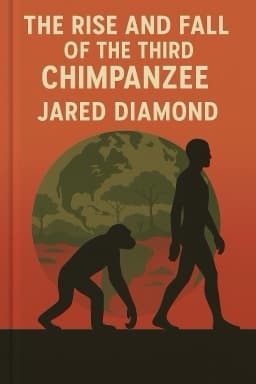
Sexuality is a cornerstone of life, but human sexual behavior and anatomy are strikingly different from those of our closest relatives. Jared Diamond’s The Third Chimpanzee highlights these differences and explores their evolutionary roots.
For example, human males have the longest penis among great apes, a feature whose evolutionary purpose remains partly mysterious. Meanwhile, chimpanzees, known for their promiscuous mating systems, have the largest testes relative to body size to compete in sperm competition, while humans have smaller testes reflecting a mix of monogamous and polygynous tendencies.
Perhaps most intriguing is human female concealed ovulation. Unlike most mammals that advertise fertility through physical signs, human females do not, leading to continuous sexual receptivity. This trait promotes pair bonding, encourages paternal care, and reduces male-male aggression.
Human copulation is also private, contrasting with many social animals that mate publicly. These behaviors reflect evolutionary adaptations to complex social environments requiring cooperation and long-term partnerships.
Understanding these quirks sheds light on human relationships, mating strategies, and social organization. It reveals how biology and culture intertwine to shape the human experience.
Up next, we will explore how mate selection is influenced by biology and culture, revealing the fascinating dance of human courtship.
Want to explore more insights from this book?
Read the full book summary