
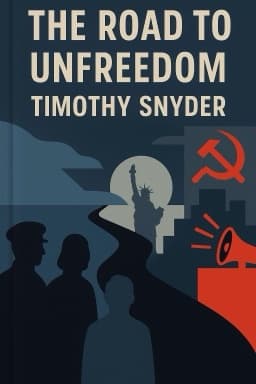
Ukraine’s Fight for Freedom: Breaking the Cycle of Empire and Eternal Conflict
How Ukraine’s struggle symbolizes hope against authoritarian cycles.
Ukraine stands at the crossroads of history and geopolitics, embodying the struggle between empire and democracy. Timothy Snyder’s The Road to Unfreedom illuminates Ukraine’s complex heritage and its courageous fight to assert sovereignty and political novelty.
From Viking Rus to Modern Nationhood
Ukraine’s origins trace back to the medieval Rus, founded by Viking traders and warlords. This legacy shapes ongoing debates about national identity and territorial claims. The interwar period saw fleeting independence before absorption by larger empires, highlighting Ukraine’s precarious sovereignty.
The Euromaidan Revolution and Russian Retaliation
The 2014 Euromaidan protests marked a turning point, as citizens demanded an end to corruption and closer ties with Europe. The resulting government change provoked Russia’s annexation of Crimea and support for separatist movements, plunging Ukraine into conflict.
Despite immense challenges, Ukraine continues to pursue democratic reforms and European integration, symbolizing a break from eternal cycles of domination and victimhood.
Ukraine’s Global Significance
Ukraine’s struggle is emblematic of broader geopolitical tensions between authoritarian empire and democratic cooperation. Its success or failure will influence the future of European security and the global order.
This narrative offers hope that cycles of violence and repression can be broken through democratic renewal and international solidarity.
Learn more about Ukraine’s pivotal role in the fight for freedom and democracy through Snyder’s insightful analysis.
Sources: Amazon - The Road to Unfreedom 1 ; Tipping Point - Ukraine Conflict Analysis 2 ; YouTube - Timothy Snyder Lecture 3
Want to explore more insights from this book?
Read the full book summary