
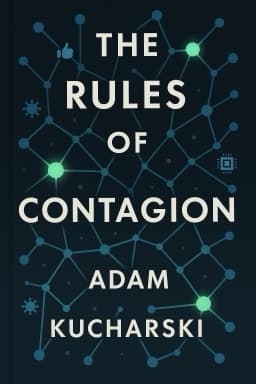
Violence as a Contagion: How Communities Can Break the Cycle
Discover how violence spreads like a disease and the innovative public health approaches that are saving lives and healing communities.

Violence is often viewed as a random act or moral failing, but research shows it behaves like a contagious disease, spreading through social networks and communities. Recognizing this pattern opens new avenues for prevention and healing.
Patterns of Violence Transmission
Like infectious diseases, violence exhibits incubation periods — delays between exposure and outbreak — allowing time for intervention. The dose-response relationship means that greater exposure to violence increases the likelihood of becoming a victim or perpetrator. These insights reveal violence as a social contagion that can be mapped and interrupted.
Public Health Approaches: Violence Interrupters and Community Engagement
Innovative programs deploy credible community members as violence interrupters who mediate conflicts and de-escalate tensions before they escalate. These interventions, combined with outreach and social norm change, have successfully reduced shootings and homicides in several cities, demonstrating the power of treating violence as a public health issue.
Understanding Social Networks in Violence
Mapping co-offending networks and identifying superspreading events enable targeted interventions. Recognizing retaliation dynamics and clustering patterns helps communities break cycles of violence and build resilience.
From Punishment to Healing
This contagion perspective shifts focus from punishment to prevention and restoration, emphasizing collective responsibility and hope for safer communities.
Want to explore more insights from this book?
Read the full book summary