
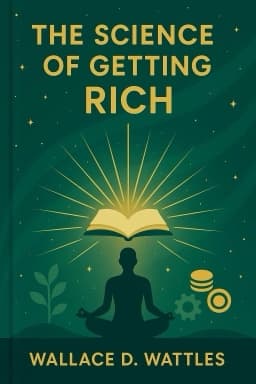
The Surprising Science of Wealth: How Gratitude and Imagination Make You Rich
Unlocking the True Power of Your Mind for Abundance

Most people think getting rich is about having the right strategy, the right connections, or a bit of good luck. But Wallace D. Wattles’ The Science of Getting Rich offers a different perspective—one that’s now being validated by neuroscience and psychology. At the heart of Wattles’ philosophy is the idea that your thoughts are creative, and the combination of imagination and gratitude is the true engine of abundance.
Wattles teaches that everything in the material world begins as a thought. The chair you sit on, the phone in your hand, the home you live in—all started as someone’s idea. This is more than poetic; it’s a principle of creation. When you hold a clear mental image of what you want, and combine it with unwavering faith and gratitude, you impress your desires onto the universe—and opportunities, resources, and people begin to align in your favor.
Modern research supports this. Studies on the law of attraction, visualization, and neuroplasticity show that what you focus on grows. When you imagine your goals vividly, your brain starts to notice opportunities and solutions you might have missed. Gratitude, meanwhile, activates brain regions linked to reward and motivation, making you more optimistic and persistent.
Wattles insists that gratitude is more than good manners—it’s a magnet for abundance. When you practice daily thankfulness, you keep your mind in harmony with the source of all wealth. This attracts more to be thankful for, creating a virtuous cycle. Even when results are slow, gratitude keeps you focused and resilient, helping you persist until your vision becomes reality.
But how do you apply this? Start by setting aside time each day to visualize your goals as already achieved. Feel the joy and gratitude as if they were real. Write down what you’re thankful for, and look for ways to express appreciation to others. Notice how your mood shifts, your energy rises, and new ideas start to flow.
Real-life stories abound of people who transformed their circumstances using these principles. From entrepreneurs who visualized new businesses into existence, to individuals who overcame adversity by focusing on gratitude, the evidence is clear: your mind is your most powerful tool for wealth.
So, if you’re ready to move beyond hustle and struggle, and tap into the true science of getting rich, start with your own thoughts and feelings. The results may surprise you—and change your life forever.
Want to explore more insights from this book?
Read the full book summary