
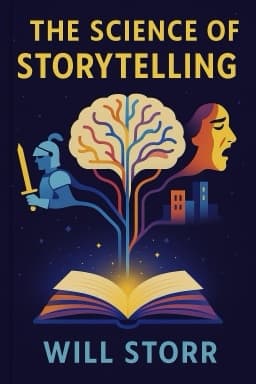
How Stories Heal: The Surprising Science of Meaning, Connection, and Control
Explore how stories provide comfort, foster empathy, and help us impose order on life’s chaos.

In a world often marked by uncertainty and chaos, stories offer a refuge—a way for our brains to impose order and meaning. Far from being mere entertainment, stories are fundamental to how we make sense of ourselves and the world.
The Illusion of Control
Stories create coherent sequences where causes lead to effects, heroes overcome obstacles, and justice is served. This narrative structure provides an illusion of control, soothing the existential dread of randomness and mortality.
Empathy Through Transportation
Immersive stories transport us beyond our own perspective, reducing self-awareness and fostering empathy. This psychological state allows us to experience others’ lives and emotions, bridging cultural and social divides.
Stories as Tribal Glue
Shared narratives encode collective memories, values, and identities, binding communities across generations. From ancient myths to modern national stories, storytelling creates social cohesion and continuity.
Practical Reflection: Embracing storytelling can enhance personal growth, social connection, and emotional resilience. Whether through reading, writing, or listening, stories help us navigate life’s complexities with hope and understanding.
For deeper insights, consult works by psychologist Jonathan Haidt and resources from the NeuroLeadership Institute on storytelling’s psychological impact. 2 , 3
Want to explore more insights from this book?
Read the full book summary