
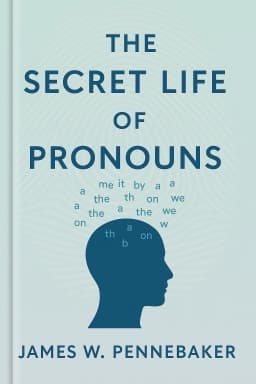
Why Your Pronouns Matter More Than You Think: The Science Behind Everyday Words
A deep dive into how the smallest words in language shape our identity, social bonds, and even health.

The Hidden Power of Function Words
Pronouns and other function words might seem insignificant, but they form the backbone of our language style.
Gender and Age Differences in Language Style
Research shows consistent gender differences: women use more personal pronouns and social words, men more articles and nouns. Age also shapes language, with younger people using immediate, personal language and older adults adopting formal, categorical styles with more complex vocabulary.
Social Class and Language
Social status influences language patterns. Higher status individuals favor noun-heavy, task-focused language, reflecting control and organization. Lower status individuals use more pronouns and verbs, emphasizing social relationships. These patterns persist regardless of gender or age.
Personality and Emotion in Language
Function words correlate with personality traits like extraversion and openness. Emotional states are reflected in pronoun use and the balance of positive and negative emotion words. Expressive writing that balances these emotions promotes healing and well-being.
Detecting Deception and Building Leadership
Deceptive language avoids self-reference and concrete details, while truthful language is specific and grounded. Leaders use inclusive 'we' language and causal words to build trust and demonstrate confidence.
Conclusion: Reading Between the Lines
Understanding the secret life of pronouns empowers us to read beyond words, revealing the hidden stories in everyday language. This knowledge enhances self-awareness, empathy, and communication skills, enriching our personal and social lives.
References: Based on the work of James W. Pennebaker and contemporary linguistic psychology. 1 4 2
Want to explore more insights from this book?
Read the full book summary