
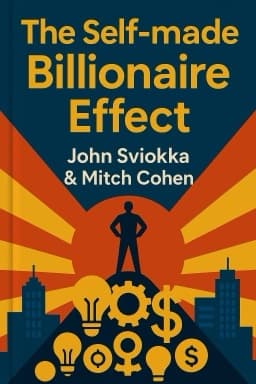
Why Most Billionaires Are Made, Not Born: The Science of Opportunity and Grit
How Ordinary People Build Extraordinary Wealth—And What You Can Learn

How Ordinary People Build Extraordinary Wealth—And What You Can Learn
The image of the billionaire heir is deeply entrenched in popular culture, but data tells a different story. The vast majority of today’s billionaires are self-made, having climbed from modest beginnings through a combination of grit, adaptability, and relentless pursuit of opportunity. In this blog, we’ll examine the science and stories behind their journeys.
The Myth of Privilege
Studies show that more than 60% of billionaires started in middle-class or lower backgrounds. Their parents were teachers, shopkeepers, or small-town professionals—not tycoons. What sets them apart is how they respond to adversity, not the advantages they inherit.
Opportunity Is Everywhere—If You Look
Self-made billionaires are opportunity spotters. They see gaps others miss, often because they’ve experienced the problem themselves. This mindset can be trained: read widely, ask questions, and stay curious.
Grit: The Secret Ingredient
Grit—the ability to persist after setbacks—is the most consistent predictor of entrepreneurial success. Billionaires fail, sometimes spectacularly, but they always get back up. They view failure as feedback, not defeat.
Serial Entrepreneurship and Adaptation
Over 90% of self-made billionaires have launched multiple ventures. Each attempt brings new skills, networks, and insights. Adaptability is their superpower.
Learning Is a Lifelong Habit
From voracious reading to seeking mentors, billionaires are lifelong learners. They invest in themselves, constantly updating their knowledge and skills to stay ahead.
The Takeaway
If you want to build extraordinary success, start by embracing challenges, learning from setbacks, and looking for opportunity everywhere. The path isn’t reserved for the privileged—it’s open to anyone willing to walk it with grit and vision.
Want to explore more insights from this book?
Read the full book summary