
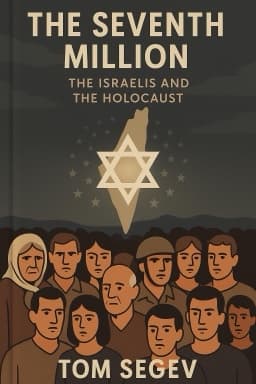
From Rumors to Reality: How Israel Learned of the Holocaust’s Horror
Tracing the painful awakening of the Yishuv to the reality of the Holocaust and its profound impact on Israeli society.

The Holocaust did not arrive in Israel as a sudden revelation but as fragmented, often unbelievable reports filtered through the fog of war. The Jewish community in Palestine, known as the Yishuv, grappled with rumors of Nazi atrocities that were so horrific they defied comprehension.
Initial news of anti-Semitic laws, deportations, and violence was often met with skepticism. The unprecedented nature of the genocide made it difficult for many to accept the reality. The Jewish Agency, balancing the need to inform with maintaining morale, issued cautious statements that avoided graphic details. Media coverage was limited by censorship and disbelief, with detailed accounts of extermination camps rare and often buried.
Public reactions ranged from stunned silence to quiet mourning. Candlelight vigils and memorial services began to form, providing communal spaces to process grief. The sentiment "What is there to understand? They died and that's it" encapsulated the overwhelming numbness and sorrow.
This slow awakening shaped Israeli identity, fueling a determination to absorb survivors and build a strong state. It also planted seeds of survivor guilt and collective trauma that would influence Israeli society for decades.
Understanding this process of awareness helps us appreciate the complex emotions and political realities that shaped Israel’s response to the Holocaust.
Sources: Academic analyses of Holocaust information flow in Palestine 1 ; Jewish Agency archival communications 2 ; media history studies 3 .
Want to explore more insights from this book?
Read the full book summary