
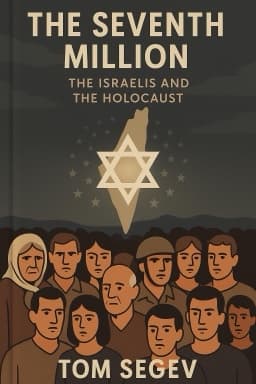
Memory and Identity: How the Holocaust Shapes Modern Israel
Exploring the institutionalization of Holocaust memory in Israel and its profound role in shaping national identity and politics.

The Holocaust’s shadow looms large over Israeli society, not only as a historical tragedy but as a foundational element of national identity. Institutions like Yad Vashem, established in 1953, serve as guardians of memory, preserving survivor testimonies and educating future generations.
Holocaust education is mandatory in Israeli schools, emphasizing historical facts and moral lessons to prevent future atrocities. Public commemorations and museums foster a collective consciousness deeply rooted in remembrance and vigilance.
Yet, Holocaust memory is not static. It is often invoked in political discourse, shaping policies and national narratives. While this use can unify, it can also provoke controversy and debate about the ethical implications of politicizing trauma.
The phrase by survivor Yehiel De-Nur,
Want to explore more insights from this book?
Read the full book summary