
The Spiritual Highways of the Silk Roads: How Faiths Traveled and Transformed Empires
Exploring the profound religious exchanges along the ancient Silk Roads.

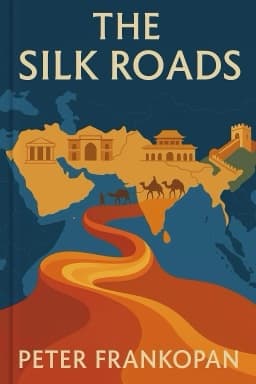
While silk and spices are often the first things that come to mind when thinking of the Silk Roads, the spiritual journeys along these routes were equally transformative. Peter Frankopan’s The Silk Roads illuminates the rich tapestry of religious exchange that shaped Eurasia’s history.
Buddhism’s spread from India into Central Asia and China was accompanied by artistic innovations, including statues influenced by Greek depictions of Apollo. Monasteries along trade routes served as centers of learning and refuge, fostering cross-cultural dialogue.
Zoroastrianism, the state religion of the Sasanian Empire, intertwined faith with governance, reinforcing imperial authority through its dualistic worldview. Meanwhile, Christianity’s early presence in Persia and Central Asia, using Syriac and other local languages, reveals a faith adapting and thriving far from its Mediterranean origins.
The rise of Islam in the 7th century marked a revolutionary shift. Emerging from Arabia amidst social upheaval, Islam united disparate tribes under a new faith and political order. The Islamic Golden Age, centered in cities like Baghdad, became a beacon of knowledge where scholars of various faiths collaborated.
Despite periods of tolerance, sectarian conflicts, especially between Sunni and Shia Muslims, and external pressures like the Mongol invasions challenged this harmony. Yet, the Silk Roads remained a conduit for religious ideas and practices that shaped the cultural landscape of Eurasia.
Understanding these spiritual highways enriches our appreciation of the Silk Roads as more than trade routes — as corridors where faith, culture, and power intertwined to shape civilizations.
Sources: LSE Review of Books, Kathryn Read’s blog, The Independent 1 4 3
Want to explore more insights from this book?
Read the full book summary