
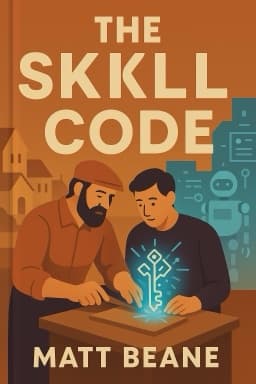
Is Technology Killing Our Ability to Learn? The Shocking Truth About Automation and Skill
How automation and AI are reshaping—and sometimes breaking—the way we master skills.

Technology promises efficiency and precision, but it can come with a hidden cost: the erosion of the skill code. Imagine a surgical resident eager to master robotic surgery but relegated to watching while the expert controls the console. The technology makes it easy for the expert to do the entire procedure alone, minimizing risk but also denying the novice the challenge and complexity needed to grow.
In warehouses, sorting robots hum autonomously while temporary workers perform peripheral tasks far removed from core skill-building work. Digital dashboards and algorithmic management fragment work, isolating novices from experts and the broader context. This separation weakens connection and stunts learning.
From law firms automating document review to police recruits filling out AI-generated paperwork, novices face shrinking opportunities for meaningful, challenging work. The expert-novice bond frays, undermining mastery transmission.
This is not just a job loss story but a transformation demanding new learning approaches. Yet investment overwhelmingly favors formal training over relational learning, missing the essence of skill development.
Consequences include poorer patient outcomes in medicine, missed learning in finance, and altered mentorship dynamics in education and healthcare.
But these challenges are not insurmountable. Recognizing technology’s disruptive effects is the first step toward designing workplaces and tools that preserve challenge, complexity, and connection.
Next, we explore how some learners defy these odds through shadow learning—creative, sometimes hidden strategies to reclaim mastery.
Want to explore more insights from this book?
Read the full book summary