
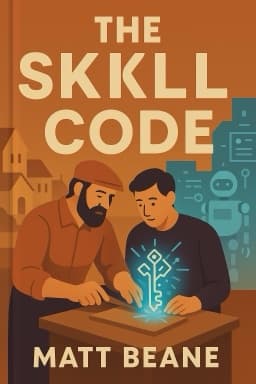
Shadow Learning and the Future of Skill: How Hidden Paths Save Mastery
The surprising ways learners bend the rules to master skills in a changing world.

When formal learning pathways close or become insufficient, learners often find creative, sometimes hidden ways to master skills. This phenomenon, known as shadow learning, is a testament to human resilience and ingenuity.
Shadow learning includes tactics like premature specialization—focusing intensely on a niche area early; digital rehearsal—using video and simulations extensively; and undersupervised struggle—practicing independently with limited oversight. While these methods carry risks, they often enable remarkable skill gains.
Interestingly, shadow learning also flips traditional roles. Experts sometimes become novices again, learning from younger colleagues who master new technologies first. These inverted apprenticeships involve seeking help, stalling to delay change, leveraging novices’ knowledge, or confronting new tools aggressively.
These hidden pathways reveal the adaptive capacity of learners and the need for flexible, supportive systems that recognize diverse learning journeys. Shadow learning offers valuable lessons for organizations aiming to preserve and grow skill in a rapidly changing world.
As we look ahead, we consider strategies to rework the skill code to embrace technology while sustaining the human elements essential for mastery.
Want to explore more insights from this book?
Read the full book summary