
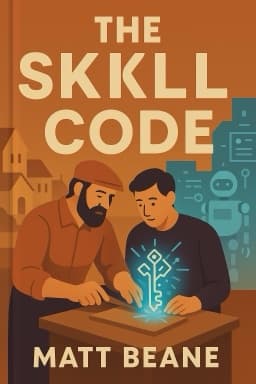
Unlocking Mastery: The Ancient Secrets of Skill Development You Never Knew
Discover the timeless triad that shapes mastery and how it’s being challenged in our modern world.

For millennia, human beings have passed down skills not through textbooks or lectures but through a deeply human process of challenge, complexity, and connection. Imagine an apprentice working side-by-side with a master tinsmith or a sculptor in ancient Athens, learning not just the technical steps but the tacit knowledge embedded in every gesture and decision. This triad—challenge, complexity, and connection—is the ancient code that underpins true mastery.
Modern education systems often overlook this code, focusing heavily on conceptual knowledge and formal training. Yet decades of research show that
Take the example of surgical residents who must learn delicate procedures. Watching videos or attending lectures cannot replace the experience of operating under expert supervision. When robotic surgery technology emerged, it threatened this bond by allowing experts to perform independently, sidelining novices. This disruption highlights the fragility of the skill code in our technological age.
But this story is not one of doom. It is a call to rediscover and protect the skill code, understanding that mastery is a living tradition. By embracing challenge that stretches us, complexity that enriches our understanding, and connection that fuels motivation and trust, we can navigate an uncertain future.
As we journey through these ideas, we will also explore shadow learning—the hidden, sometimes rule-bending paths learners take to reclaim mastery—and how organizations can rework the skill code to thrive alongside AI and automation.
Mastery is not a relic of the past but a vibrant, evolving human endeavor. By understanding its ancient roots and modern challenges, we unlock the potential to grow our skills deeply and meaningfully in any domain.
Join us as we uncover the secrets of skill and how to save human ability in an age of intelligent machines.
Want to explore more insights from this book?
Read the full book summary